Floor to Ceiling Kitchen Cabinets: 11 Ideas & Tips

That awkward gap between your kitchen cabinets and the ceiling?
It’s wasted space collecting dust and outdated decor. Floor-to-ceiling kitchen cabinets fix this problem while giving you storage you didn’t know you needed.
These full-height designs stretch from floor to ceiling, creating a sleek, custom look that works in both small apartments and spacious homes.
They’re not just about looks, though. You’ll gain 40-50% more storage without losing any floor space.
This guide covers everything from design ideas and installation tips to choosing the right style for your kitchen.
You’ll learn about different cabinet types, costs, pros and cons, and exactly how to plan your installation correctly.
What Are Floor-to-Ceiling Kitchen Cabinets?
Floor-to-ceiling kitchen cabinets stretch from your kitchen floor straight up to the ceiling without any gaps.
Standard cabinets usually stop around 8 feet high, leaving space above that collects dust and feels wasted. Full-height designs give you much more storage and create a clean, modern look.
Upper cabinet height matters because you need to plan how you’ll reach the top shelves and ensure proper installation.
These cabinets work best when you want to maximize storage in smaller kitchens or create a custom, built-in appearance throughout your space.
Types of Floor-to-Ceiling Kitchen Cabinets
- Full-height pantry cabinets (single tall units): Single, unbroken cabinet towers that stand from floor to ceiling for storing food, appliances, or cleaning supplies.
- Stacked upper cabinets (two-tier cabinet systems): Two separate cabinet boxes stacked on top of each other for easier installation and flexible storage.
- Standard upper cabinets extended with trim or panels: Regular upper cabinets topped with decorative trim, crown molding, or filler panels that reach the ceiling.
- Floor-to-ceiling cabinets with integrated appliances: Tall cabinet units designed to house built-in ovens, microwaves, or refrigerators while maintaining the full-height look.
- Partial full-height layouts (one wall or zone only): One section of your kitchen features full-height cabinets while other walls keep standard height cabinetry.
Floor-to-Ceiling Kitchen Cabinet Ideas
Looking for ways to style your full-height cabinets? These 11 design ideas show how floor-to-ceiling kitchen cabinets work in different styles, colors, and layouts.
1. Cabinets Framing the Refrigerator Wall
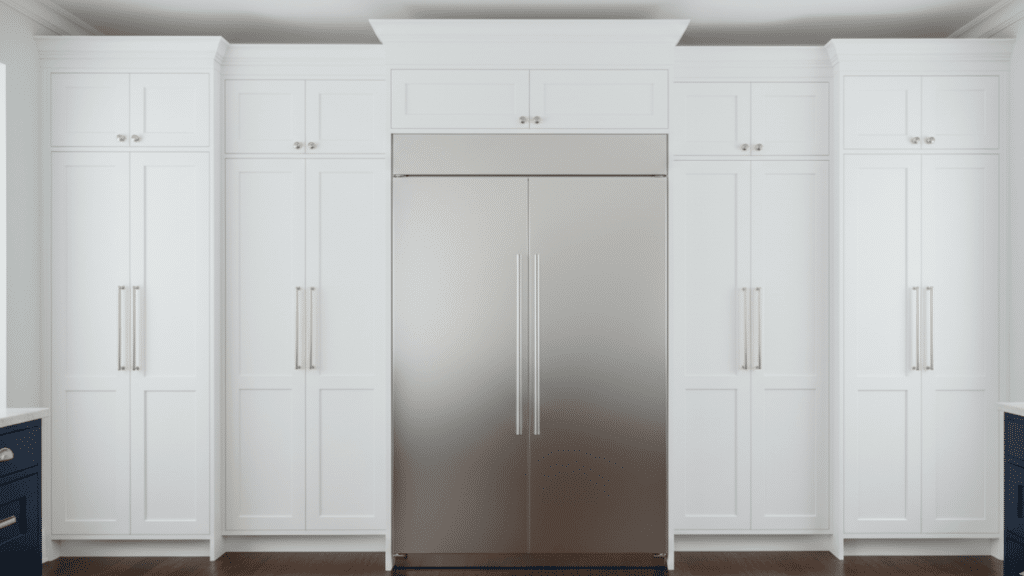
Tall cabinets on both sides of your fridge create a built-in look that hides the appliance. This setup gives you pantry storage on one side and space for cleaning supplies or small appliances on the other.
- Best for: Medium to large kitchens with standard-depth refrigerators
- Color options: White, gray, or wood tones to match existing cabinetry
- Storage benefit: Adds 40-60% more storage than standard upper cabinets
2. Full-Height White Cabinets
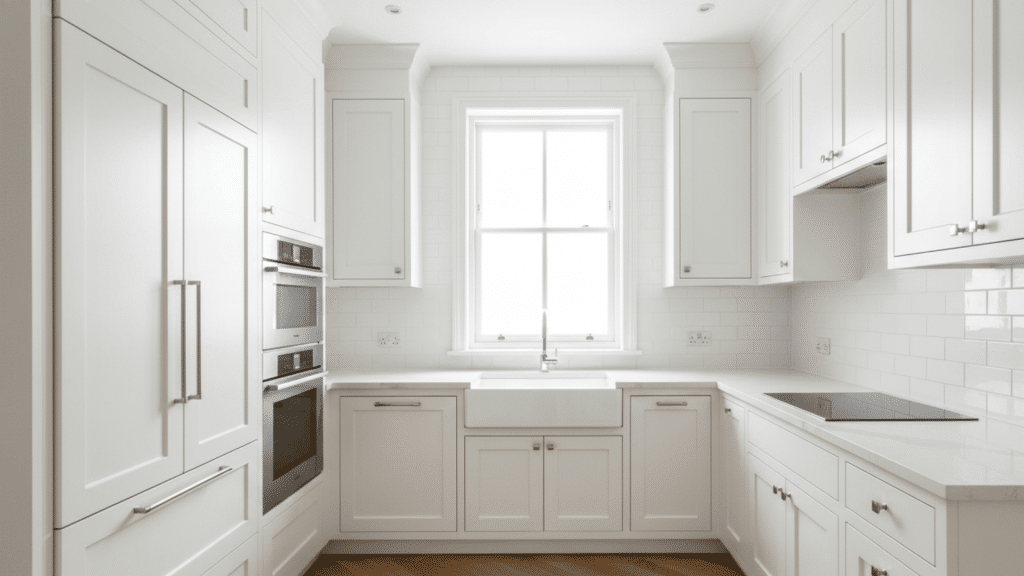
White cabinets that reach the ceiling make small kitchens feel bigger and brighter. The light color reflects natural light and keeps the space from feeling closed in.
- Best for: Small kitchens, spaces with limited natural light
- Style: Works with farmhouse, modern, or transitional designs
- Maintenance: Shows fingerprints less than dark colors
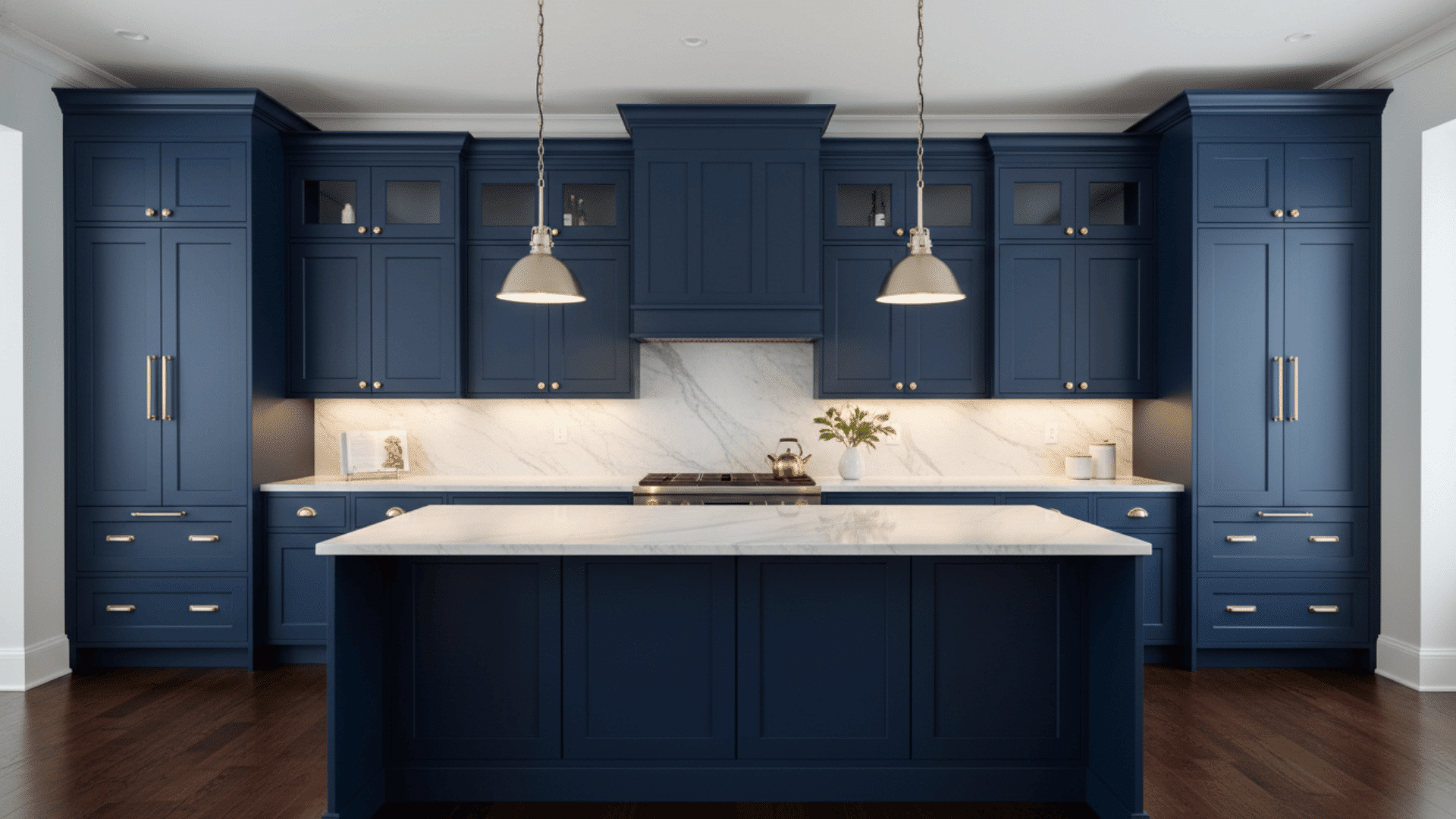
3. Dark Cabinets for Drama
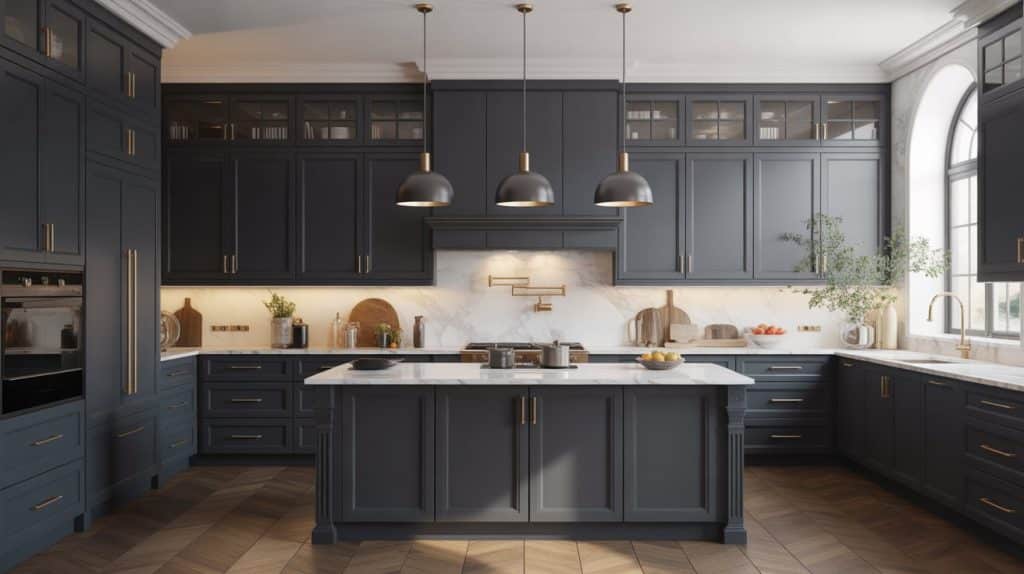
Deep navy, charcoal, or black cabinets create a bold, modern statement when they stretch to the ceiling. The height amplifies the drama and makes your kitchen feel like a high-end showroom.
- Best for: Large kitchens with plenty of natural or artificial light
- Popular colors: Navy blue, charcoal gray, matte black
- Pair with: Light countertops and backsplash for contrast
4. Two-Tone with Tall Pantry
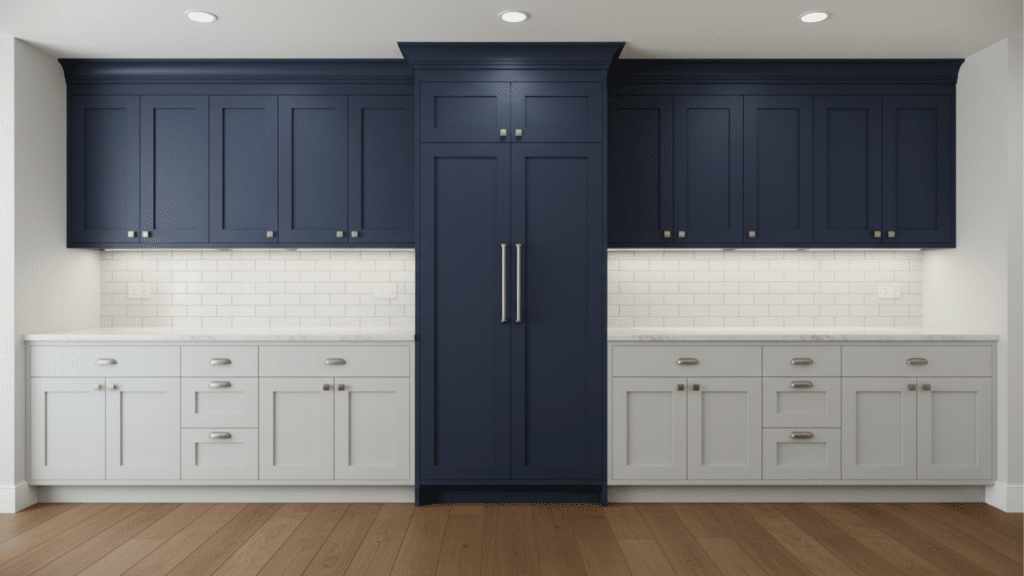
Mix light lower cabinets with darker uppers, and add a full-height pantry in the accent color. This breaks up the visual weight while giving you a functional storage tower.
- Best for: Open-concept kitchens, transitional style homes
- Common combinations: White lowers with gray or blue uppers
- Design tip: Use the darker color on the pantry to create a focal point
5. Glass-Front Upper Sections
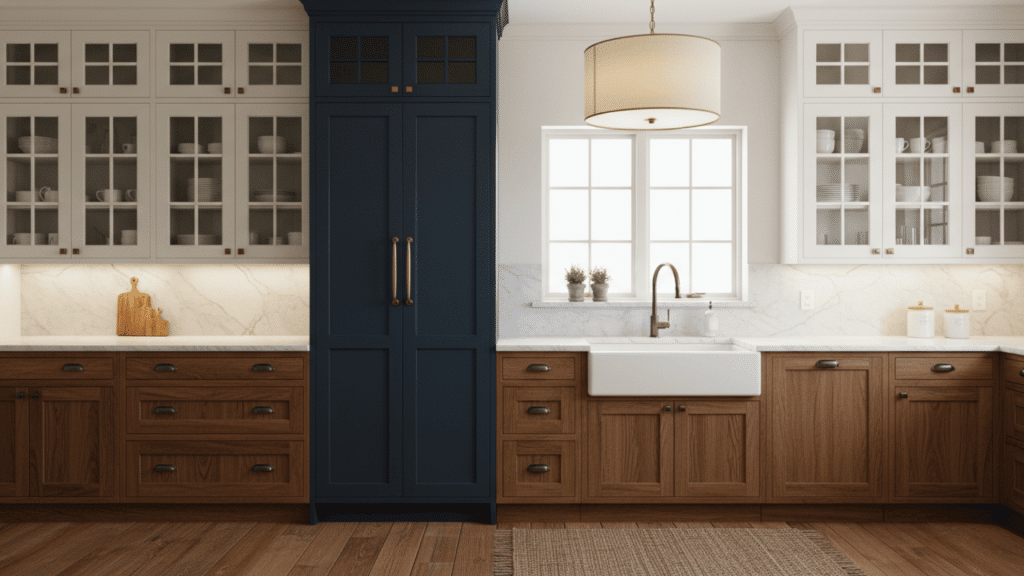
Use solid cabinets below and glass-front doors up top to show off dishes or glassware. This keeps the upper portion from feeling too heavy or closed off.
- Best for: Traditional, farmhouse, or cottage-style kitchens
- Glass options: Clear, frosted, or seeded glass
- Cost: Adds 15-25% to cabinet costs compared to solid doors
6. Minimal Slab Cabinets
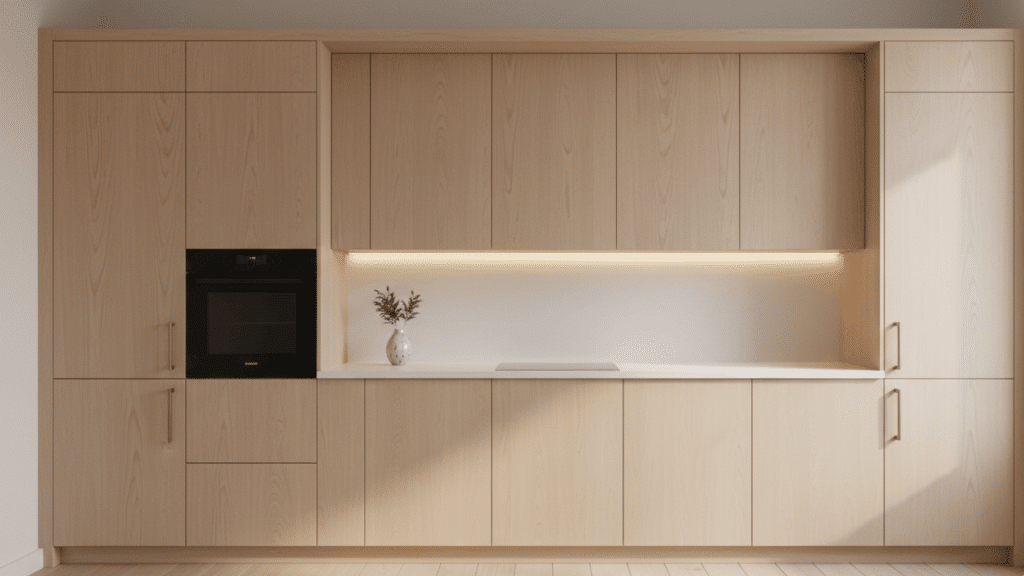
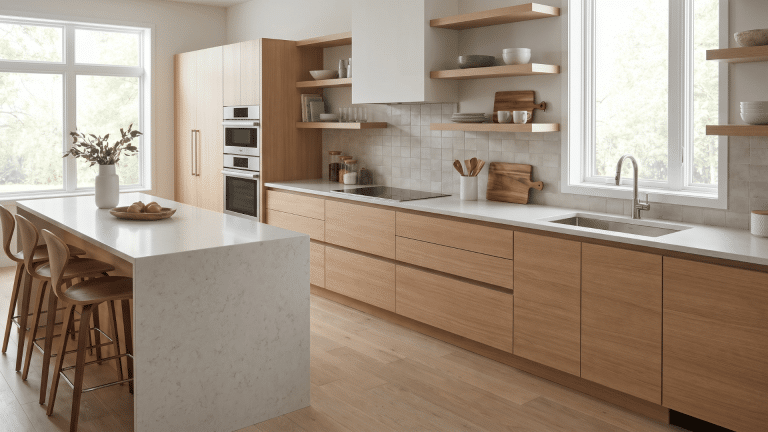
Flat-front slab cabinets without visible hardware look sleek when they run floor to ceiling. The clean lines work perfectly in contemporary or minimalist kitchens.
- Best for: Modern, Scandinavian, or minimalist kitchen designs
- Hardware: Push-to-open or integrated pulls only
- Popular finishes: Matte lacquer, wood veneer, or thermofoil
7. Shaker-Style with Trim
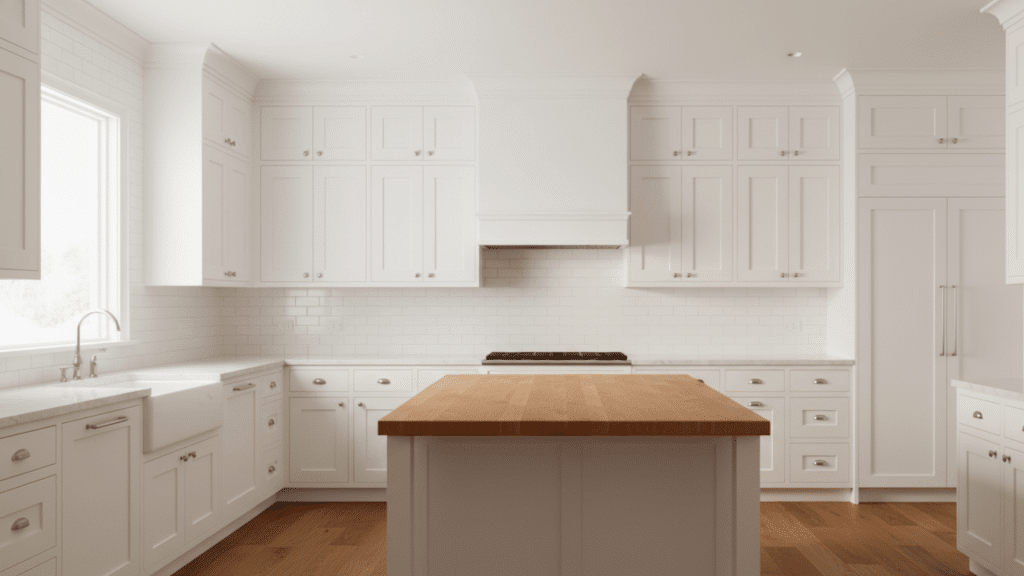
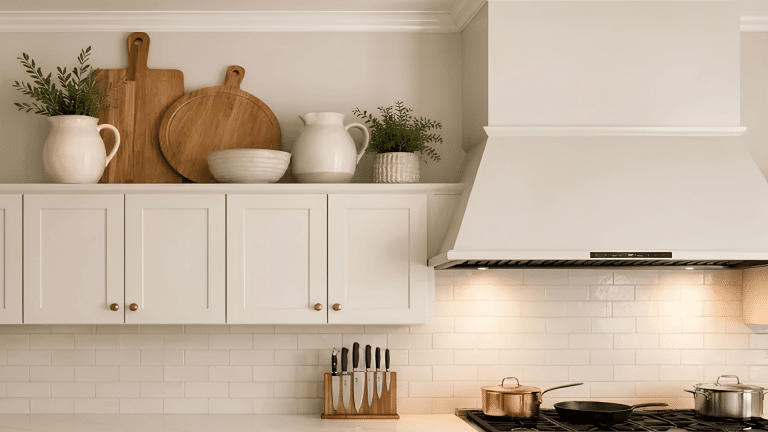
Classic Shaker cabinets topped with simple crown molding bring a timeless feel to full-height designs. The trim softens the transition between the cabinet and the ceiling without feeling too fancy.
- Best for: Transitional, farmhouse, or traditional kitchens
- Trim options: Simple crown molding or stacked trim profiles
- Budget-friendly: Works with stock cabinet sizes plus trim
8. One-Wall Full-Height with Open Shelving
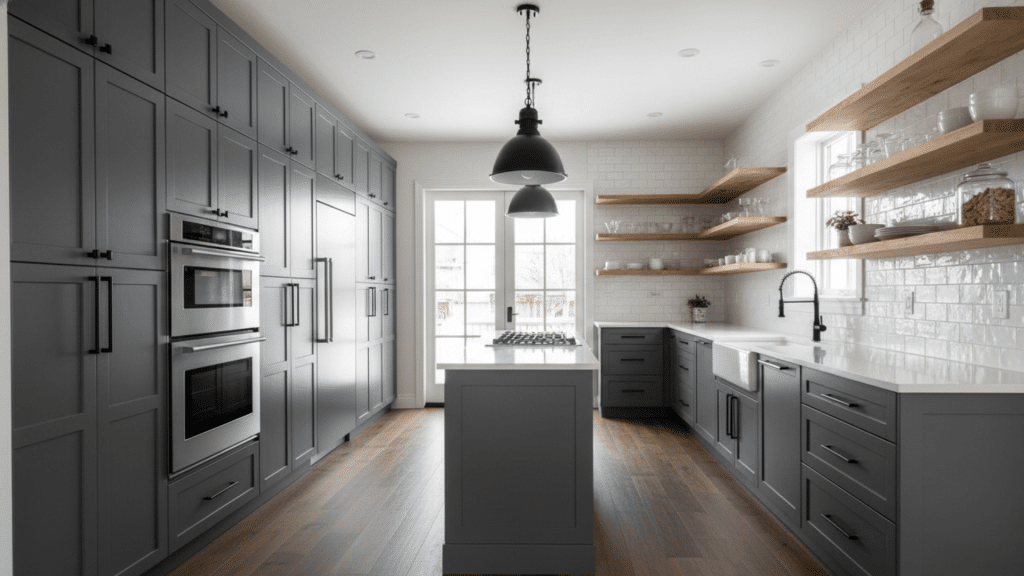
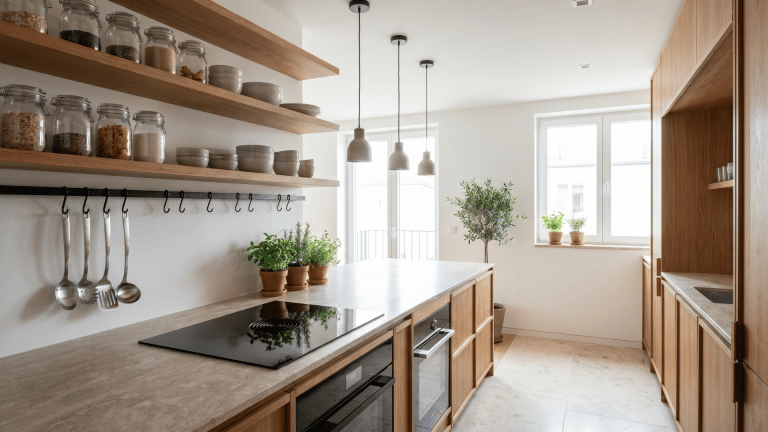
Install floor-to-ceiling cabinets on just one wall and use open shelves or floating shelves elsewhere. This gives you plenty of hidden storage while keeping the kitchen from feeling too closed in.
- Best for: Galley kitchens, small spaces, or loft-style homes
- Balance: 60% closed cabinets, 40% open or glass shelving
- Design benefit: Creates visual breathing room
9. Cabinets Around Built-In Appliances
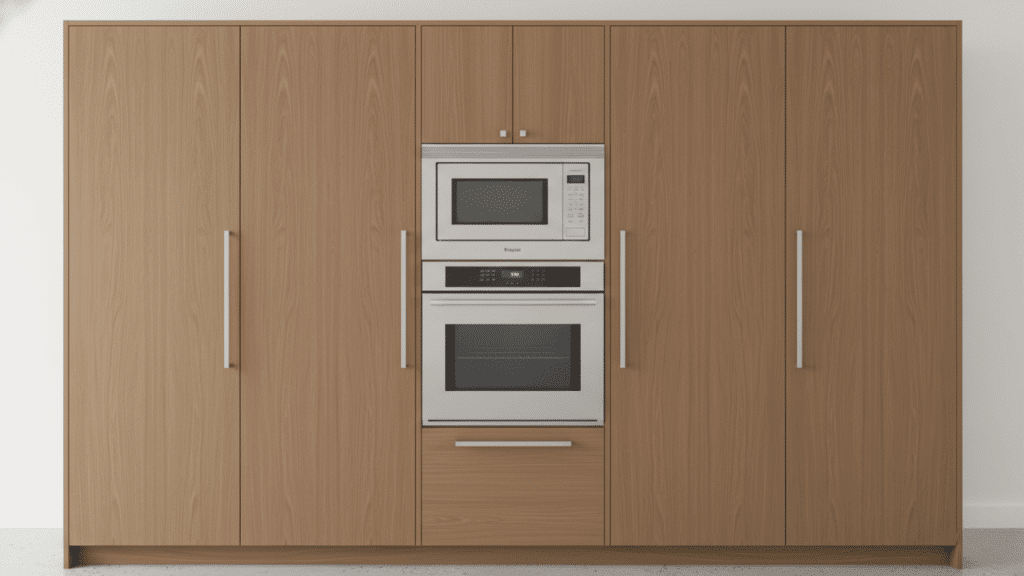
Frame your built-in oven, microwave, or coffee station with tall cabinetry on both sides. This creates a cohesive appliance wall that looks intentional and high-end.
- Best for: Kitchens with built-in or wall oven configurations
- Appliances to include: Ovens, microwaves, steam ovens, coffee makers
- Width needed: Minimum 8-10 feet of wall space
10. Tall Cabinets in Small Kitchens
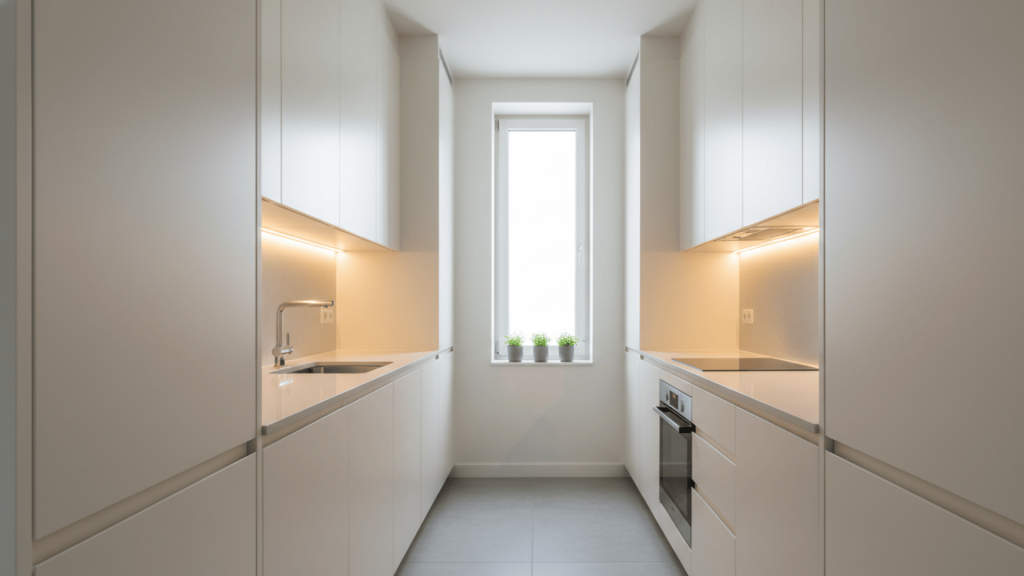
Small kitchens benefit the most from floor-to-ceiling cabinets because every inch of storage counts. The vertical design draws the eye up and makes the room feel taller than it is.
- Best for: Apartments, condos, or kitchens under 100 square feet
- Storage gain: Up to 50% more storage than standard height
- Color recommendation: Light colors to prevent a cramped feeling
11. Concealed Handles for Clean Lines
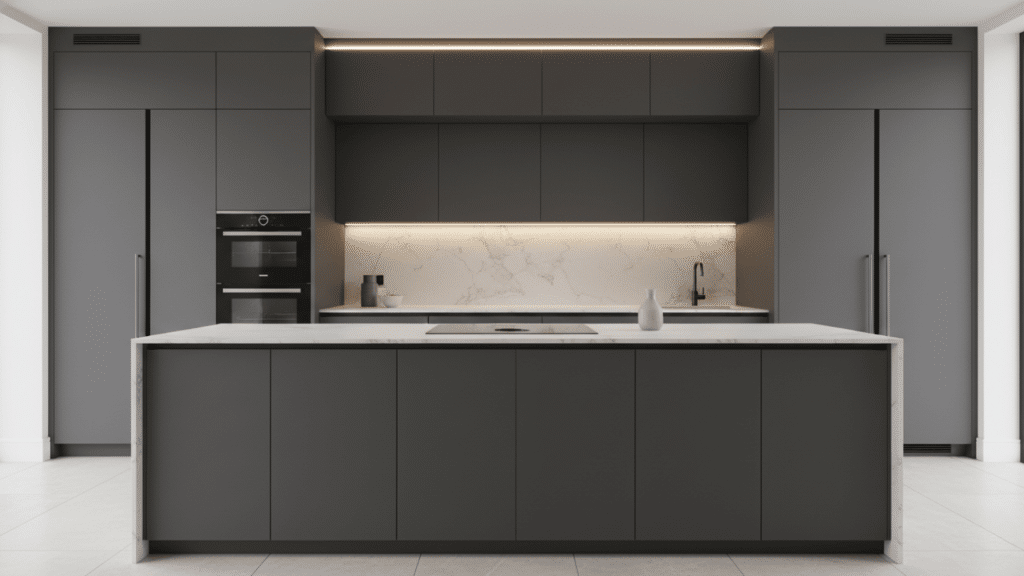
Use push-to-open mechanisms or integrated pulls instead of visible handles on full-height cabinets. This creates a smooth, uninterrupted surface that feels modern and polished.
- Best for: Modern, contemporary, or handleless kitchen designs
- Mechanism options: Push-to-open, touch latches, or recessed pulls
- Cost: Adds $50-150 per cabinet for quality hardware
Pros and Cons of Floor-to-Ceiling Kitchen Cabinets
Before you commit to full-height cabinets, you need to weigh the benefits against potential drawbacks. Here’s a quick breakdown of what you gain and what challenges you might face.
| Pros | Cons |
|---|---|
| Maximizes vertical storage space | Upper shelves can be hard to reach |
| Creates a seamless, built-in look | Higher cost than standard cabinets |
| Reduces dust collection above cabinets | Requires precise installation |
| Makes kitchens appear taller | Can feel heavy without proper lighting |
| Ideal for small and modern kitchens | Less flexibility for future changes |
How to Plan and Install Floor to Ceiling Kitchen Cabinets?
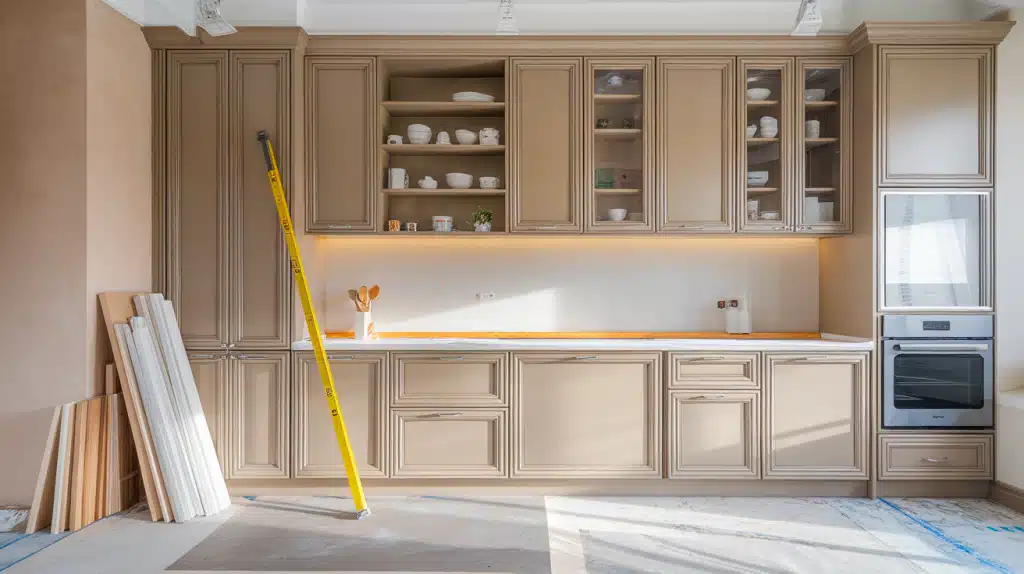
Getting full-height cabinets right requires careful planning before you order or install anything. Here’s what you need to know for smooth installation and professional results.
1. Measuring Ceiling Height and Selecting Proper Cabinets
Measure your ceiling height at multiple points since ceilings are rarely perfectly level. Standard ceilings are 8 feet, but yours might be 9 or 10 feet, requiring custom cabinet heights. Know your lowest point to order cabinets that fit without gaps.
2. Standard Dimensions and Clearance Requirements
Base cabinets stand 34.5 inches tall, with countertops bringing the total to 36 inches. You need 18 to 20 inches of clearance between countertops and upper cabinets for a comfortable workspace. Standard uppers come in 30, 36, or 42-inch heights for stacking.
3. Handling Uneven Ceilings with Fillers and Trim
Use filler strips or scribe molding to bridge gaps if your ceiling slopes. Crown molding hides minor imperfections and creates a finished look. Your installer cuts these pieces to match the ceiling contours.
4. Lighting Planning for Full-Height Layouts
Full-height cabinets block natural light and can darken kitchens. Plan for under-cabinet lighting, recessed ceiling lights, and toe-kick lighting. Good lighting prevents the space from feeling closed in.
5. Professional Installation for Proper Alignment
Floor-to-ceiling cabinets must be level and securely attached to wall studs. A professional installer handles the weight and height safely with proper tools. Poor installation causes sagging, gaps, and doors that don’t close properly.
How to Choose Floor to Ceiling Kitchen Cabinets?
Start by measuring your ceiling height and kitchen size to determine if full-height cabinets will work in your space. Decide whether you want cabinets on every wall or just one feature wall with tall storage.
Match your cabinet style to your kitchen design, choosing Shaker for traditional spaces or slab fronts for modern looks.
Pick lighter colors like white or gray if you’re worried about the space feeling too heavy or dark. Think about what you’ll store up high and whether you can reach those shelves comfortably with a step stool.
Consider your budget carefully because floor-to-ceiling kitchen cabinets cost 30-50% more than standard height, but they add value and storage that lasts for years.
Balance the upfront cost with the long-term benefits of extra storage and a custom-built-in appearance.
Wrapping It Up
Floor-to-ceiling kitchen cabinets give you the storage and style you need without sacrificing floor space.
They work in small apartments and large homes alike, turning wasted vertical space into functional storage. Yes, they cost more upfront than standard cabinets.
But the extra storage, custom look, and home value they add make them worth considering. Choose the right style for your kitchen, plan your measurements carefully, and hire a professional for installation.
Your kitchen will look taller, feel more organized, and finally give you room for everything you own.
Ready to start planning your kitchen upgrade? Check out our cabinet design guide or contact a local kitchen designer to discuss your options today.