The Complete Lab Setup Guide: From Scientific Equipment to Safety Communication

Setting up a laboratory requires meticulous planning and attention to countless details. Whether you’re establishing a research facility, educational lab, or commercial testing centre, every decision impacts safety, efficiency, and scientific outcomes.
Understanding Your Laboratory Requirements
Before purchasing a single piece of equipment, you must clearly define your laboratory’s purpose and scope. Different scientific disciplines have vastly different spatial, equipment, and safety requirements.
A chemistry lab demands extensive ventilation and chemical-resistant surfaces throughout. Biology labs require contamination control measures and specialised waste disposal systems.
Physics laboratories often need vibration-free zones and electromagnetic shielding capabilities. Medical testing facilities must comply with strict regulatory standards and accreditation requirements.
Take time to consult with scientists who will actually use the space daily. Their practical insights often reveal requirements that architects and planners might overlook.
Spatial Planning and Layout Design
Laboratory layout directly affects workflow efficiency and safety outcomes. Poor design creates bottlenecks, increases accident risks, and hampers productivity.
Designate clear zones for different activities within your laboratory space. Separate wet labs from dry labs, and isolate hazardous work areas from general circulation paths.
Ensure adequate aisle widths for safe movement and emergency evacuation procedures. Most regulations require minimum clearances between benches and around safety equipment.
Consider future expansion needs when finalising your floor plan decisions. Building in flexibility now prevents costly renovations as your research programs evolve.
Selecting Essential Scientific Equipment
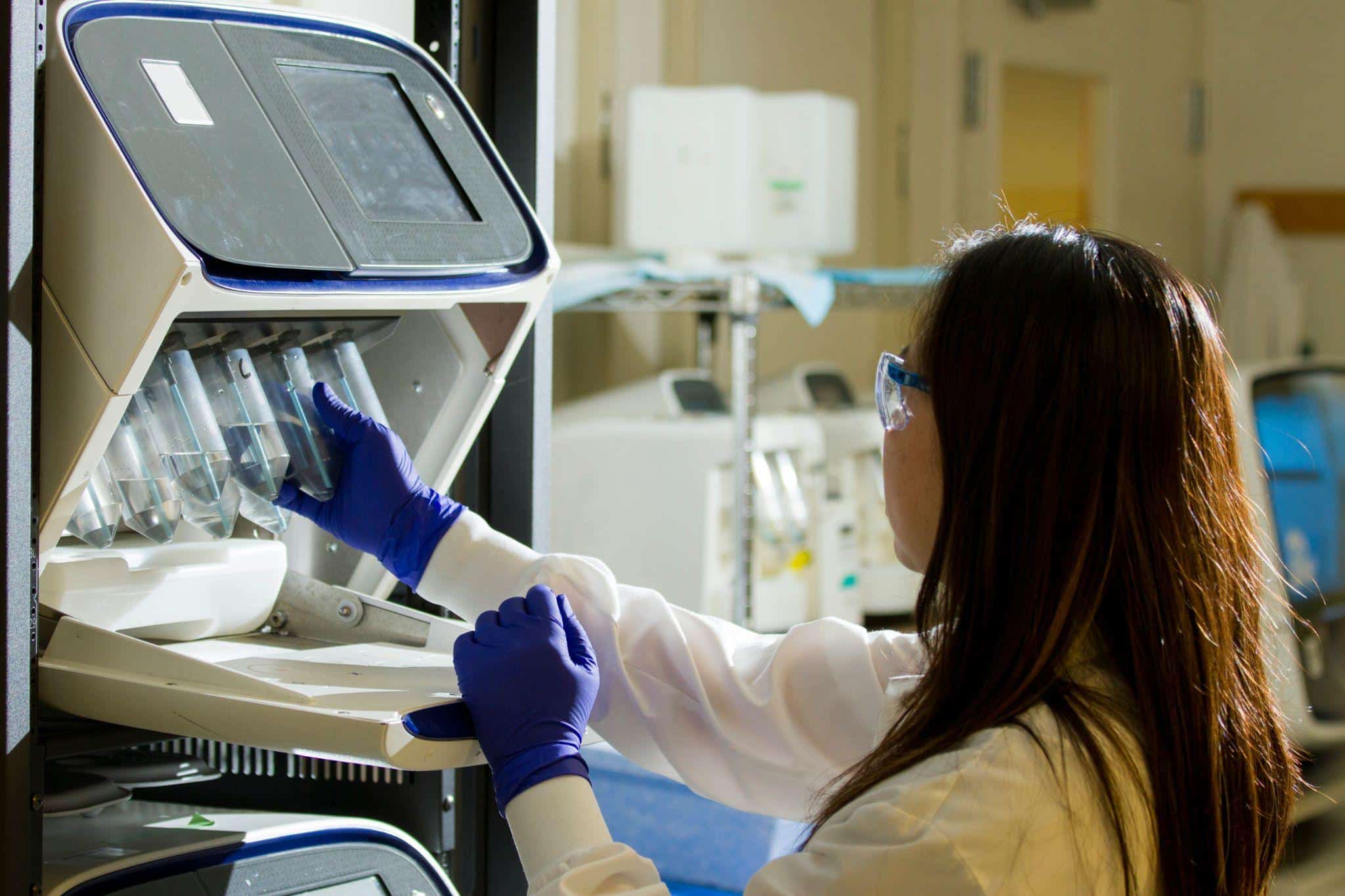

Quality scientific equipment forms the foundation of any successful laboratory operation. Investing in reliable, accurate instruments pays dividends through consistent results and reduced downtime.
When sourcing lab equipment, prioritise suppliers with strong technical support and service networks. Equipment failures can halt critical research, making responsive maintenance partnerships essential.
Start with fundamental instruments that support your core research activities. Centrifuges, microscopes, balances, and incubators appear in nearly every laboratory environment.
Spectrophotometers and chromatography systems serve analytical testing requirements across disciplines. Choose models that match your throughput needs and accuracy specifications precisely.
Don’t overlook supporting equipment like refrigerators, freezers, and water purification systems. These workhorses operate continuously and require exceptional reliability standards.
Consider equipment lifecycle costs beyond initial purchase prices alone. Energy consumption, consumables, maintenance contracts, and eventual replacement all affect total ownership costs.
Furniture and Workstation Configuration
Laboratory furniture must withstand harsh chemicals, heavy equipment, and constant daily use. Standard office furniture simply cannot survive laboratory conditions.
Bench surfaces should resist chemicals, heat, and physical damage from equipment. Epoxy resin, stainless steel, and phenolic materials offer different advantages for various applications.
Adjustable-height workstations accommodate different tasks and user preferences effectively. Ergonomic considerations reduce fatigue and repetitive strain injuries among laboratory personnel.
Storage systems need to accommodate chemicals, glassware, samples, and personal protective equipment. Proper organisation prevents cross-contamination and improves workflow efficiency dramatically.
Mobile furniture and modular systems allow laboratories to adapt as needs change. Flexibility proves invaluable when research directions shift or new equipment arrives.
Ventilation and Environmental Controls
Adequate ventilation protects laboratory personnel from harmful fumes and particles. This system represents one of your most critical infrastructure investments.
Fume hoods must be properly sized and positioned for your specific applications. Regular testing ensures they maintain appropriate face velocities and containment capabilities.
Biosafety cabinets provide protection when working with biological materials or pathogens. Different classes offer varying levels of product, personnel, and environmental protection.
HVAC systems must maintain appropriate temperature and humidity for sensitive equipment. Many instruments require stable environmental conditions to produce accurate, reproducible results.
Consider air pressure differentials between laboratory zones and adjacent spaces. Negative pressure in hazardous areas prevents contamination from spreading throughout the building.
Electrical and Utility Infrastructure
Laboratories consume significant electrical power for equipment, lighting, and climate control. Proper electrical infrastructure prevents dangerous overloads and annoying interruptions.
Install adequate circuits with appropriate amperage for your equipment inventory needs. Many scientific instruments require dedicated circuits to prevent interference and ensure stable operation.
Emergency power systems protect critical samples and ongoing experiments during outages. Uninterruptible power supplies and backup generators provide essential continuity protection.
Gas supply systems must be properly designed for safety and convenience factors. Central gas distribution eliminates cylinder handling while ensuring a consistent supply to all workstations.
Plumbing systems need to accommodate deionised water, vacuum, and waste disposal requirements. Specialised drainage may be necessary for chemical or biological waste streams.
Safety Equipment and Emergency Preparedness

Laboratory safety equipment saves lives and prevents injuries during accidents. Every lab needs properly positioned safety showers, eyewash stations, and fire extinguishers.
First aid kits should contain supplies appropriate for your specific hazard profile. Chemical burns, cuts, and exposure incidents require different treatment approaches and supplies.
Spill containment materials must match the chemicals present in your facility. Neutralising agents, absorbents, and disposal containers should be readily accessible throughout the lab.
Emergency exits must remain clear and properly marked at all times. Regular drills ensure personnel know evacuation routes and assembly point locations instinctively.
Personal protective equipment storage needs convenient placement near laboratory entrances. Lab coats, safety glasses, gloves, and other PPE should be readily accessible always.
Communication Systems for Safety and Operations
Effective communication systems are absolutely vital in laboratory environments. Safety information must reach everyone quickly and clearly without exception.
Installing notice boards in strategic locations ensures critical safety information remains visible and protected. Lockable options prevent tampering while maintaining easy access for authorised updates.
Post emergency procedures, evacuation routes, and contact information prominently throughout. This information must be instantly accessible during stressful emergency situations.
Chemical hazard signs and safety data sheet stations require logical, consistent placement. Personnel should know exactly where to find critical safety information without searching.
Digital communication systems complement physical signage for dynamic information needs. Electronic displays can broadcast alerts, schedule changes, and urgent announcements instantly.
Intercom or paging systems enable rapid communication across large laboratory facilities. Emergency notifications must reach all occupied areas simultaneously and reliably.
Regulatory Compliance and Documentation
Laboratories face extensive regulatory requirements depending on their activities and location. Understanding applicable regulations early prevents costly compliance failures later.
Document your safety procedures, training programs, and equipment maintenance comprehensively. Regulatory auditors expect detailed records demonstrating ongoing compliance efforts.
Chemical inventories must be maintained accurately and updated regularly without exception. Many jurisdictions require reporting of hazardous material quantities and locations annually.
Equipment calibration and maintenance records prove instruments produce reliable, valid results. Accreditation bodies scrutinise these records during assessment and renewal processes.
Training documentation demonstrates personnel competency for specific procedures and equipment. Keep records of initial training, refresher courses, and competency assessments systematically.
Staff Training and Competency Development
Even the best-equipped laboratory fails without properly trained personnel operating it. Invest significantly in training programs that develop genuine competency and safety awareness.
New staff need comprehensive orientation covering facility-specific procedures and hazards. Generic laboratory training rarely addresses site-specific requirements adequately.
Ongoing training keeps skills current and reinforces safety culture continuously. Regular refresher sessions prevent complacency and address emerging risks proactively.
Equipment-specific training ensures operators understand capabilities and limitations completely. Manufacturer training programs often provide the most thorough instruction available.
Encourage professional development and advanced training opportunities for all staff. Skilled, knowledgeable personnel represent your laboratory’s most valuable asset ultimately.
Budgeting and Procurement Strategies
Laboratory setup costs can escalate rapidly without careful budget management. Develop detailed cost estimates covering equipment, furniture, infrastructure, and ongoing operations.
Prioritise essential equipment purchases while identifying items that can wait initially. Phased procurement spreads costs while allowing early operations to begin sooner.
Consider leasing options for expensive equipment with rapid technological advancement cycles. Leasing preserves capital and ensures access to current technology continuously.
Build relationships with reliable suppliers who understand laboratory requirements thoroughly. Good suppliers become partners in maintaining operations and solving problems.
Include contingency funds for unexpected requirements and price fluctuations realistically. Laboratory projects typically encounter surprises that strain original budget allocations.
Conclusion: Building for Success
Creating a functional, safe laboratory demands attention to countless interconnected details. Success requires balancing scientific requirements, safety obligations, and practical constraints thoughtfully.
Start with clear objectives and comprehensive planning before any construction begins. Engage experienced professionals who understand laboratory-specific challenges and requirements deeply.
Invest appropriately in quality equipment, safety systems, and communication infrastructure. These foundational elements determine your laboratory’s effectiveness for years to come.
Remember that laboratories evolve constantly as science and regulations advance continuously. Build flexibility into your design to accommodate changes without major disruptions.
A well-designed laboratory empowers scientists to focus on discovery rather than fighting their environment. That enabling mission should guide every decision throughout your setup journey.