Traditional New Year’s Day Meal: 39 Dishes Worldwide

Why does your grandmother insist on black-eyed peas every January 1st? Why do some families refuse to serve chicken? Food on New Year’s Day isn’t just about taste; it’s about hope.
For centuries, people worldwide have filled their plates with specific dishes to attract wealth, health, and good fortune. Each ingredient carries meaning.
Round lentils look like coins. Long noodles promise long life. Green vegetables represent cash.
This guide shows you traditional meals from six continents, explains what foods to avoid, and helps you build a New Year’s menu that matches your goals.
What Is a Traditional New Year’s Day Meal?
A traditional New Year’s Day meal is food eaten on January 1st to bring good luck, wealth, and health in the coming year. Round foods like lentils and black-eyed peas look like coins and represent money.
Long noodles mean a long life. Green vegetables symbolize cash. Pork appears often because pigs move forward when they eat, which stands for progress.
Fish represent abundance because they swim in large groups. The same ingredients pop up across different countries because people share similar hopes for prosperity and thriving families.
New Year’s Day Food Traditions Around the World
Food brings people together on New Year’s Day. Each culture has special dishes that carry hope for the year ahead. These 39 meal ideas span continents and traditions, giving you options to try something new or honor your heritage.
Southern United States Traditions

The American South built New Year’s food traditions around what grows locally. These dishes focus on luck, money, and moving forward into a better year.
1. Black-Eyed Peas with Rice
Black-eyed peas look like coins. Rice represents fertility and wealth. This simple combination appears on Southern tables every January 1st to attract financial success.
How to Make:
- Soak dried black-eyed peas overnight, then drain them well.
- Cook peas in broth with onion and garlic for 45 minutes.
- Serve over white rice with salt and pepper to taste.
2. Hoppin’ John
This classic dish mixes pork-flavored peas with rice. It originated with enslaved Africans in South Carolina. The name and recipe have been passed down for generations.
How to Make:
- Cook bacon until crisp, then add onion and black-eyed peas.
- Pour in chicken broth and simmer for one hour until tender.
- Stir in cooked rice and season with hot sauce.
3. Collard Greens with Smoked Meat
Green leaves represent paper money. Smoked meat adds flavor and richness. Every bite is believed to bring more cash into your life.
How to Make:
- Wash collard greens and remove tough stems, then chop roughly.
- Simmer greens with smoked ham hock in water for 90 minutes.
- Season with vinegar, salt, and red pepper flakes before serving.
4. Cornbread
Golden yellow cornbread looks like bars of gold. It’s easy to make and pairs well with greens and peas. The color alone makes people think of wealth.
How to Make:
- Mix cornmeal, flour, eggs, milk, and baking powder in a bowl.
- Pour batter into a hot, greased cast-iron skillet.
- Bake at 400°F for 20 minutes until golden brown.
5. Pork Chops with Greens
Pigs root forward when they eat, symbolizing progress. Pairing pork with greens doubles your luck. This meal is filling and full of meaning.
How to Make:
- Season pork chops with salt, pepper, and garlic powder.
- Sear chops in a hot skillet for 4 minutes per side.
- Serve alongside sautéed greens like kale or spinach.
6. Ham and Beans
Ham provides a rich, smoky flavor to white beans. This combination is hearty and affordable. It’s been a New Year’s staple in rural Southern homes for decades.
How to Make:
- Soak white beans overnight, then drain and rinse them.
- Cook beans with a ham bone and chopped onion for 2 hours.
- Season with salt, pepper, and a bay leaf before serving.
European New Year’s Day Meals

European traditions often center on foods that were ready to eat in winter. Lentils, pork, and fermented vegetables appear frequently across the continent.
7. Italian Lentils with Sausage
Lentils resemble coins and bring wealth. Sausage adds protein and spice. Italians eat this dish right after midnight on New Year’s Eve.
How to Make:
- Brown Italian sausage in olive oil, then remove from the pan.
- Cook lentils in broth with garlic and tomato paste for 30 minutes.
- Add sausage back to the pot and simmer for 10 more minutes.
8. Cotechino with Lentils
Cotechino is a special pork sausage from Modena, Italy. It’s served with lentils for double luck. This dish appears on tables throughout Italy on January 1st.
How to Make:
- Boil cotechino sausage in water for 2 hours until fully cooked.
- Cook lentils separately with bay leaves and olive oil.
- Slice the sausage and serve it on top of warm lentils.
9. German Pork Roast
Germans believe pork brings good fortune because pigs move forward. A roasted pork shoulder or loin feeds a crowd. It’s often the centerpiece of the New Year’s meal.
How to Make:
- Rub pork roast with salt, pepper, and caraway seeds.
- Roast at 325°F for 3 hours until tender and browned.
- Let rest for 15 minutes before slicing and serving.
10. Sauerkraut with Pork
Fermented cabbage was ready to eat by New Year’s in old European kitchens. The long strands mean long life. Pork adds heartiness to this tangy side dish.
How to Make:
- Cook sliced pork sausage in a large pot until browned.
- Add sauerkraut, apple, and caraway seeds to the pot.
- Simmer everything together for 30 minutes before serving.
11. Spanish Grapes with a New Year’s Meal
In Spain, people eat 12 grapes at midnight, one for each month. Each grape represents luck for that month. It’s a race against the clock as the bells chime.
How to Make:
- Wash 12 seedless grapes per person and place in small bowls.
- Eat one grape with each bell strike at midnight.
- Serve grapes alongside sparkling wine or cider.
12. French Galette-Style New Year’s Bread
The French bake a special cake with a hidden coin or charm inside. Whoever finds it will have good luck all year. This tradition dates back centuries.
How to Make:
- Roll out puff pastry and spread almond cream in the center.
- Hide a small charm inside, then top with another pastry layer.
- Bake at 375°F for 35 minutes until golden and puffed.
13. Dutch Oliebollen
These fried dough balls are sold from street carts in the Netherlands. They’re dusted with powdered sugar and eaten hot. The name means “oil balls” in Dutch.
How to Make:
- Mix flour, yeast, milk, and raisins into a sticky batter.
- Drop spoonfuls of batter into hot oil and fry until golden.
- Drain on paper towels and dust heavily with powdered sugar.
14. Irish Colcannon
This dish combines mashed potatoes with cabbage or kale. It’s comforting and filling. Irish families serve it to represent prosperity and health.
How to Make:
- Boil potatoes until tender, then mash with butter and cream.
- Sauté chopped cabbage or kale in butter until soft.
- Mix cabbage into mashed potatoes and season with salt and pepper.
Asian New Year’s Day Dishes

Asian cultures place great importance on food symbolism. Long noodles, whole fish, and rice cakes appear in homes from Japan to China.
15. Long Life Noodles
Never cut or break these noodles while cooking or eating them. Their length represents a long life ahead. They appear in soups or stir-fries across Asia.
How to Make:
- Boil long wheat or rice noodles according to package directions.
- Toss noodles with sesame oil, soy sauce, and green onions.
- Serve immediately while noodles are still unbroken and hot.
16. Dumplings Filled with Pork or Vegetables
Dumplings look like ancient Chinese gold ingots. Eating them attracts wealth. Families often gather to fold dumplings together before the celebration.
How to Make:
- Mix ground pork with ginger, garlic, and chopped cabbage.
- Place filling in dumpling wrappers and seal edges with water.
- Steam or pan-fry dumplings for 8 minutes until cooked through.
17. Steamed Fish
A whole fish represents completeness and abundance. The head and tail must stay intact. Fish also swim in large schools, which means prosperity.
How to Make:
- Clean and score a whole fish, then place it on a steaming plate.
- Top with ginger, scallions, and a splash of soy sauce.
- Steam for 12-15 minutes until fish is opaque and flaky.
18. Sticky Rice Cakes
Rice cakes are chewy and sweet. They symbolize family bonds sticking together. In the Philippines, they’re called tikoy or biko.
How to Make:
- Soak glutinous rice for 2 hours, then steam until tender.
- Mix cooked rice with coconut milk and brown sugar.
- Press into a pan and let cool before cutting into squares.
19. Spring Rolls
Fried spring rolls look like gold bars. They’re crispy on the outside and filled with vegetables or meat. Chinese families serve them during celebrations.
How to Make:
- Fill spring roll wrappers with shredded cabbage and carrots.
- Roll tightly and seal edges with a flour-water paste.
- Deep fry until golden brown and serve with dipping sauce.
20. Sweet Red Bean Soup
This warm dessert is comforting and mildly sweet. Red beans symbolize good fortune in Chinese culture. It’s often eaten at the end of a New Year’s meal.
How to Make:
- Soak red beans overnight, then drain and rinse them well.
- Boil beans with water and sugar for 90 minutes until soft.
- Serve warm in bowls with a sprinkle of coconut milk.
21. Rice Porridge with Symbolic Toppings
Plain rice porridge becomes special with toppings like eggs and scallions. It’s gentle on the stomach after late-night celebrations. Each topping adds its own meaning.
How to Make:
- Simmer rice in plenty of water for 60 minutes until thick.
- Season with salt and a drizzle of sesame oil.
- Top with boiled eggs, green onions, and soy sauce.
Latin American New Year’s Day Foods

Latin American traditions blend indigenous, Spanish, and African influences. Rice, beans, pork, and tamales dominate the New Year’s table.
22. Rice and Beans
This combination provides complete protein and lasting energy. It’s affordable and filling. In Brazil, lentils often replace beans to attract wealth.
How to Make:
- Cook black or pinto beans with onion and garlic until tender.
- Prepare white rice separately according to package instructions.
- Serve beans over rice with cilantro and lime juice.
23. Tamales
Making tamales brings families together in the kitchen. Masa dough is spread on corn husks and filled with meat. They’re steamed and eaten throughout the holiday season.
How to Make:
- Spread the masa dough on the soaked corn husks in a thin layer.
- Add seasoned pork or chicken filling down the center.
- Fold husks and steam tamales upright for 90 minutes.
24. Lentil Stew
Lentils cook quickly and taste rich when seasoned well. They represent coins and financial luck. This stew is popular in Brazil and other South American countries.
How to Make:
- Sauté onion, carrot, and celery in olive oil until soft.
- Add lentils, broth, and diced tomatoes to the pot.
- Simmer for 30 minutes and season with cumin and paprika.
25. Roasted Pork with Rice
A whole roasted pig is the ultimate celebration food. More minor cuts work for home cooking. Pork paired with rice creates a complete, lucky meal.
How to Make:
- Marinate pork shoulder in citrus juice, garlic, and oregano overnight.
- Roast at 300°F for 4 hours until tender and crispy.
- Serve sliced pork over white rice with pan drippings.
26. Sweet Bread for New Year’s Morning
Sweet breads filled with fruit or cinnamon are eaten on New Year’s morning. They represent sweetness in the year to come. Mexican pan dulce and Venezuelan pan de jamón fit this tradition.
How to Make:
- Mix the sweet dough with sugar, butter, and eggs until smooth.
- Shape into rolls and add raisins or cinnamon filling.
- Bake at 350°F for 25 minutes until golden and fragrant.
African and Caribbean Traditions Meal

African and Caribbean cuisines celebrate with rice, beans, plantains, and chicken. These dishes reflect centuries of history and cultural exchange.
27. Jollof Rice
Jollof rice is cooked in a spiced tomato sauce. It’s eaten across West Africa at celebrations. The bright color and bold flavor make it a favorite.
How to Make:
- Sauté the onion and tomato paste in oil until dark red.
- Add rice, broth, and spices, then cover and simmer for 30 minutes.
- Fluff rice with a fork and serve with fried plantains.
28. Fried Plantains
Sweet, ripe plantains are sliced and fried until caramelized. They’re naturally sweet and satisfying. This side dish appears at celebrations throughout the Caribbean.
How to Make:
- Slice ripe plantains diagonally into thick pieces.
- Fry in hot oil for 2-3 minutes per side until golden.
- Drain on paper towels and sprinkle lightly with salt.
29. Black-Eyed Peas with Coconut Rice
Coconut milk makes rice creamy and rich. Black-eyed peas add the symbol of luck. This dish blends African and Caribbean flavors perfectly.
How to Make:
- Cook black-eyed peas in water until tender, then drain.
- Simmer rice in coconut milk with salt until fully cooked.
- Mix peas into rice and garnish with fresh herbs.
30. Stewed Chicken with Rice
Chicken stewed in a flavorful sauce is comfort food across the Caribbean. Served over rice, it becomes a complete meal. The dish is warm, filling, and satisfying.
How to Make:
- Brown chicken pieces in oil with onion and bell pepper.
- Add tomato sauce, broth, and spices, then cover and simmer for 45 minutes.
- Serve chicken and sauce over white rice.
Middle Eastern and Mediterranean Dishes

Mediterranean cultures use pomegranates, lentils, and flatbreads in their New Year’s traditions. These foods connect to ancient customs and religious celebrations.
31. Pomegranate-Based Dishes
Pomegranate seeds represent fertility, abundance, and new beginnings. The fruit’s deep red color symbolizes life. Seeds can be scattered on salads or mixed into stews.
How to Make:
- Cut the pomegranate in half and tap with a spoon to release the seeds.
- Sprinkle seeds over roasted vegetables or grain salads.
- Serve as a colorful garnish on yogurt or desserts.
32. Stuffed Grape Leaves
Grape leaves are filled with rice, herbs, and sometimes meat. They’re rolled into small packages and steamed. This dish appears at Greek and Turkish celebrations.
How to Make:
- Blanch grape leaves in boiling water for 30 seconds.
- Fill each leaf with seasoned rice and roll tightly.
- Stack rolls in a pot, cover with water, and simmer for 45 minutes.
33. Lentil Soup
Lentil soup is warming, nutritious, and symbolically lucky. It’s eaten throughout the Middle East and Mediterranean. The soup is simple but deeply satisfying.
How to Make:
- Sauté onion and garlic in olive oil until fragrant.
- Add red lentils, broth, and cumin, then simmer for 25 minutes.
- Blend the soup until smooth and serve with lemon juice.
34. Flatbread with Honey
Honey represents sweetness for the year ahead. Warm flatbread makes the perfect vehicle for this symbol. This simple combination appears in many Middle Eastern homes.
How to Make:
- Warm store-bought or homemade flatbread in the oven.
- Brush bread with melted butter or olive oil.
- Drizzle generously with honey and serve immediately.
Symbolic and Global Staples Meals

Some foods appear in multiple cultures because their symbolism is universal. These five staples cross borders and bring people together.
35. Whole Roasted Pig or Pork Dish
A whole pig is the ultimate symbol of abundance. Pigs move forward, representing progress. This tradition appears in Germany, Italy, Latin America, and the American South.
How to Make:
- Score pork skin and rub with salt, garlic, and spices.
- Roast at 275°F for 6-8 hours until skin is crispy.
- Carve and serve with traditional sides from your culture.
36. Cabbage-Based Meals
Cabbage leaves look like folded money. Sauerkraut’s long strands mean long life. From coleslaw to braised cabbage, this vegetable is lucky worldwide.
How to Make:
- Shred cabbage and sauté in butter with onion until soft.
- Season with salt, pepper, and caraway seeds.
- Serve warm as a side dish or mix into other recipes.
37. Round Breads or Rolls
Round shapes represent coins, unity, and the cycle of the year. Bakers across cultures make special round breads for New Year’s. Some hide coins or charms inside.
How to Make:
- Prepare bread dough and let it rise until doubled in size.
- Shape into round loaves or rolls and let rise again.
- Bake at 375°F for 25-30 minutes until golden brown.
38. Fish Served Whole
A whole fish means completeness from head to tail. The scales look like silver coins. Fish swim in groups, suggesting abundance and community.
How to Make:
- Clean fish and stuff the cavity with lemon and herbs.
- Roast at 400°F for 20-25 minutes until cooked through.
- Serve whole on a platter with fresh lemon wedges.
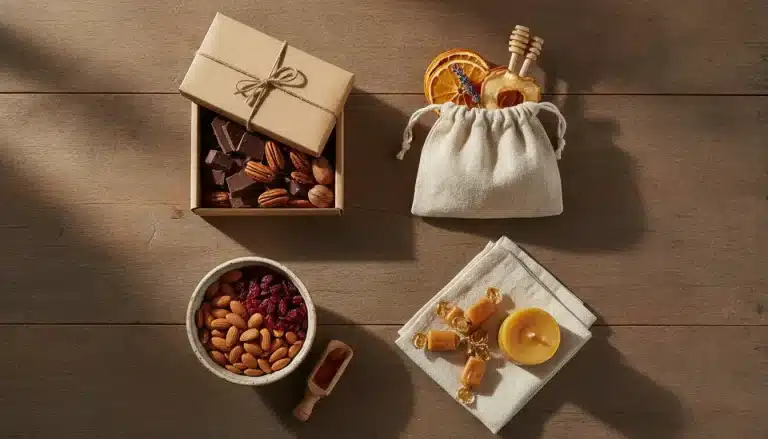
39. Dried Fruits and Nuts Platter
Dried fruits and nuts were traditional winter foods that lasted until spring. They represent survival and abundance. This platter appears in Middle Eastern, Mediterranean, and European homes.
How to Make:
- Arrange dried figs, dates, apricots, and raisins on a platter.
- Add almonds, walnuts, and pistachios around the fruit.
- Serve with honey or soft cheese for a sweet-savory balance.
Foods Traditionally Avoided on New Year’s Day
Not all food brings good fortune. Some ingredients are believed to attract bad luck or prevent progress. Here’s what many cultures skip on January 1st:
| Food to Avoid | Why It’s Considered Unlucky | Cultural Origin |
|---|---|---|
| Chicken, Turkey, Poultry | Wings make luck fly away. They scratch backward (stuck in the past). | United States, Europe |
| Lobster, Crab, Shrimp | Move backward or sideways. Means setbacks ahead. | Austria, Eastern Europe, United States |
| Beef | Cows stand still while eating. Represents no progress. | Various Western cultures |
| White Foods | White means death. Includes tofu, eggs, white rice, and cauliflower. | China, Chinese culture |
| Bottom-Feeding Fish | Catfish and halibut eat scraps. This symbolizes struggling financially. | Southern United States |
| Broken or Cut Noodles | Cutting noodles cuts your life short. Eat them whole. | Japan, China, Asia |
| Hollow Bread | Air pockets look like coffins. Represents death. | European traditions |
How to Choose a Traditional New Year’s Day Meal That Fits Your Beliefs
Start by thinking about what matters most to you in the coming year. Do you want more money? Choose round foods like lentils or black-eyed peas.
Do you want a long, healthy life? Pick long noodles or fish. Do you want to move forward? Serve pork. You don’t have to stick to one culture’s traditions.
Mix foods from different backgrounds that speak to your goals. The key is intention.
When you understand why each food appears on the table, the meal becomes more than dinner; it becomes a ritual.
The best New Year’s Day meal is one that fills your stomach and feeds your hopes for the future.
Final Touches
Food does more than fill your stomach on New Year’s Day; it tells a story.
From Southern black-eyed peas to Italian lentils to Japanese long noodles, every traditional New Year’s Day meal carries centuries of hope.
These dishes connect you to your ancestors and to millions of people worldwide who share the same wish: a better year ahead. You don’t need to follow every rule or avoid every unlucky food.
Pick one or two dishes that speak to your goals. Cook them with intention. Explain the meaning to your family. Start small, but start somewhere.
What’s your New Year’s Day food tradition? Share your favorite dish in the comments below, or tell us which meal from this list you’ll try this year.