Modern Outdoor Trends For Homeowners In 2026

You’re wondering about the latest outdoor trends coming in 2026? The next few years will bring exciting innovations focused on personalization, sustainability, year-round comfort, and modern aesthetics that transform how you use your outdoor spaces.
Creating the perfect outdoor space can feel overwhelming with so many options available. This guide will help you navigate the most important trends to make your outdoor areas both beautiful and functional.
Modern Patio Slabs For Outdoor Living In 2026
Patio slabs are becoming a cornerstone of modern outdoor design in 2026, particularly for homeowners looking for durable, low-maintenance flooring solutions. Large-format concrete and natural stone slabs offer a clean, contemporary aesthetic while providing excellent resistance to frost, moisture, and UV exposure. Their strength and stability make them ideal for high-traffic outdoor areas such as patios, dining zones, and pool surrounds.
Beyond durability, modern patio slabs like those offered by Techo-Bloc support the growing trend of seamless indoor-outdoor living. Neutral tones, textured finishes, and minimalist designs help visually connect interior floors with exterior spaces. Many homeowners now favor modular slab layouts that allow for flexible designs and easier future upgrades, reinforcing the demand for personalized and adaptable outdoor environments.
Customizable Outdoor Structures
The 2026 outdoor living scene offers exciting possibilities for creating spaces that truly reflect your personality and lifestyle needs. Modern homeowners now enjoy unprecedented options for tailoring their outdoor retreats.
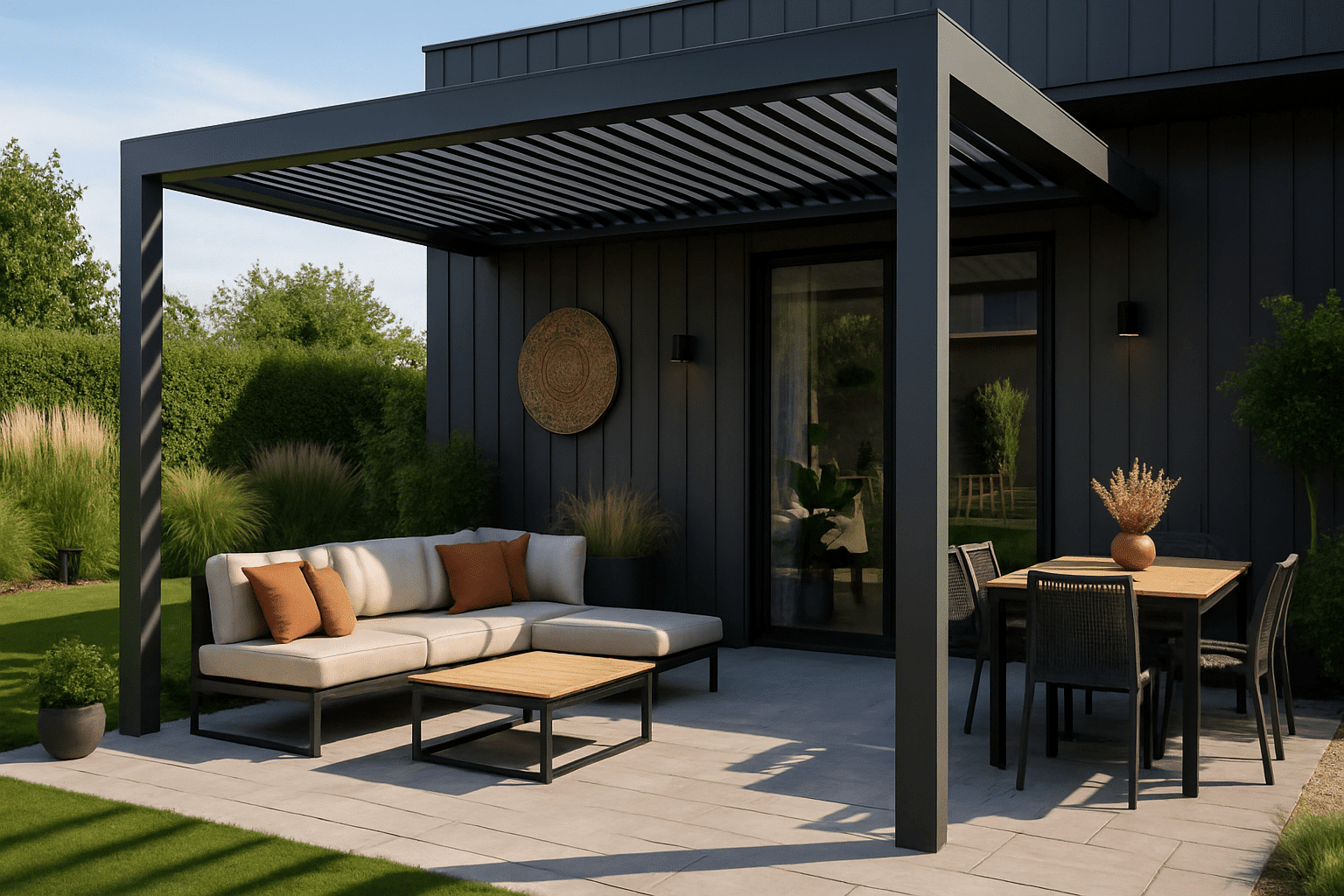
Modular gazebos and pergolas lead this trend, with interchangeable panels that allow you to modify your space as seasons or preferences change. These adaptable structures feature removable side walls, adjustable roof sections, and customizable accessories that transform your outdoor area throughout the year.
Material choices have expanded beyond traditional wood to include composite materials that combine durability with aesthetic appeal. Many homeowners select aluminum frames with fabric canopies for lightweight yet sturdy structures that resist weather damage while providing necessary shade.
Design features gaining popularity include built-in lighting systems, integrated speaker setups, and smart controls that let you adjust your outdoor environment with a smartphone app. Some advanced models even incorporate climate control elements like misting systems for summer cooling or infrared heaters for chilly evenings.
Your personal style can shine through customization options such as decorative lattice patterns, architectural columns, or distinctive roofline designs. These personalized touches help create an outdoor structure that serves as both a functional space and a visual extension of your home’s character.
Integrating Indoor And Outdoor Living
Creating a seamless connection between your home’s interior and exterior spaces enhances both areas and expands your usable living space. This approach makes your outdoor areas feel like natural extensions of your home, rather than separate zones.
Large glass doors serve as the most effective way to blend these environments. Consider installing folding or sliding glass wall systems that open completely, removing the visual and physical barrier between inside and outside. This design choice creates a continuous flow that makes your outdoor space feel like another room.
Consistent flooring materials help establish visual continuity. Using similar colors, textures, or patterns for your indoor floors and outdoor patio surfaces creates a unified look. Materials like porcelain tiles work well for this purpose, since they can transition from interior to exterior applications.
Maintain similar color schemes and complementary furniture styles across both areas. This doesn’t mean everything must match exactly. Rather, the design elements should feel related and harmonious. Your outdoor furniture can echo the lines and materials of your indoor pieces while being appropriately weather-resistant.
Lighting plays a crucial role in this integration. Develop a lighting plan that provides consistent illumination levels from inside to outside, allowing the spaces to feel connected even after sunset. Smart lighting systems can help you coordinate both areas with preset scenes for different activities and times of day.
Flexible Dining And Entertainment Zones
Creating versatile outdoor spaces allows you to maximize your backyard’s potential for various gatherings and activities. The key lies in designing areas that can transform based on your immediate needs.
Multipurpose zones enable diverse activities within the same space. Consider installing modular furniture systems that can be rearranged quickly, sectional outdoor sofas that separate into individual seating or combine for conversation groups give you flexibility for different social scenarios.
Movable privacy screens or planters help define temporary boundaries when needed. These elements allow you to section off areas for intimate conversations during larger gatherings, or create separate activity zones for children and adults during family events.
Convertible tables offer practical solutions for changing needs. Look for designs that adjust in height (from coffee table to dining height) or expand in size to accommodate different group sizes. Some innovative options include tables with built-in fire features that can be covered when more dining space is required.
Weather adaptability remains essential for truly flexible outdoor spaces. Retractable awnings, pergolas with adjustable louvers, or large umbrellas provide on-demand shade or rain protection. Portable heaters or built-in warming features extend your outdoor season into cooler months.
Your entertainment capabilities benefit from wireless technology and weather-resistant media options. Portable speakers, outdoor-rated televisions, and projection systems that set up quickly allow you to customize your entertainment based on the occasion.
Tailored Decor And Accessories
Selecting the right decorative elements transforms your outdoor space from merely functional to personally meaningful. The current trend toward cozy minimalism encourages focusing on fewer, higher-quality pieces rather than numerous decorative items.
Quality outdoor textiles make an immediate impact on comfort and style. Weather-resistant fabrics now come in designs previously available only for indoor use. Plush cushions, drapery panels, and area rugs designed for outdoor conditions add softness and color while standing up to sun and moisture.
Lighting choices set the mood for evening enjoyment. Mix lighting types: path lights for safety, uplights to highlight landscape features, string lights for ambiance, and candles or lanterns for intimate gatherings. Solar-powered options reduce energy costs while providing flexibility in placement.
Artistic elements express your personal aesthetic. Weather-resistant wall art, sculptural pieces, or decorative screens add visual interest and conversation starters. Many homeowners commission custom pieces that reflect their tastes while being suitable for outdoor display.
Seasonal refreshes keep your space feeling current without complete redesigns. Maintain core furniture pieces while switching accessories like pillows, throws, and tabletop items to reflect seasonal colors or holiday themes. This approach provides visual change without significant investment.
Your plant selections contribute significantly to the overall atmosphere. Consider containers that complement your design scheme while showcasing plants that thrive in your climate. Vertical gardens and living walls serve as both decoration and privacy enhancement in smaller spaces.
Energy-Efficient Lighting Solutions
Lighting transforms your outdoor spaces, extending usability into evening hours while highlighting architectural and landscape features. Modern energy-efficient options allow you to achieve these benefits with minimal environmental impact.
LED technology has revolutionized outdoor lighting by consuming up to 80% less electricity than traditional incandescent bulbs while lasting 25 times longer. These fixtures generate less heat, reducing fire risk and allowing placement near plants without causing damage.
Solar-powered lights eliminate the need for electrical wiring, making installation simple and operating costs negligible. Position these fixtures in areas receiving adequate sunlight during daytime hours for optimal performance. Modern solar lights store enough energy to function reliably even after several cloudy days.
Motion sensors activate lights only when needed, reducing unnecessary usage while providing security benefits. Place these strategically near entrances, pathways, and potential blind spots around your property.
Timers and smart controls allow you to program lighting schedules based on sunset/sunrise times or specific hours. Many systems now integrate with home automation platforms, enabling voice control and remote adjustments via smartphone apps.
Low-voltage systems offer safety advantages and energy efficiency for wired installations. These systems typically operate at 12 volts instead of standard 120-volt household current, reducing shock hazards and allowing for simpler installation.
By combining these technologies, you’ll create beautiful nighttime environments that minimize energy consumption and maintenance requirements.