Why DIY Confidence Can Backfire When You Push Too Far

DIY projects are supposed to be fun, but sometimes they turn… Questionable.
You know what I mean. You’re halfway up somewhere you probably shouldn’t be, and you’re holding a tool you’ve learned to use 5 minutes ago. You tell yourself that this is fine because it will only take a second, but that little voice in your head knows this is anything but fine. Yes, you’ve done projects before, and you’ve watched a dozen tutorials on YouTube before you started this.
But whether you want to admit it or not, your confidence has pushed you too far, which is usually where the trouble starts.
Your confidence won’t fail at once. It’ll do so little by little. You skip a safety step here, do a quick shortcut there, balance for ‘a moment’ when you should never even thought of doing it, but hey. You’re capable. What’s the worst that could happen?
This article isn’t about DIY.
It’s about realizing how problematic confidence can be and how quickly it can push you past what’s safe.
Signs Your Project Is Getting Risky

“This’ll only take a second” rarely takes a second, and shortcuts usually land you in the E.R. sooner or later.
If you’re a contractor and you’re on the job, you might get workers’ comp after a ladder fall, getting injured by a nail gun, or something like that, so at least there’s that. But if you’re home, not only do you risk getting injured, but you also risk paying for the consequences all on your own.
Pro tip: Just keep in mind that state laws wary state to state, so if you’re working for a company and you get injured your situation in Chicago might be different than if you were in Miami. For instance a Chicago-based law firm, such as Rosenfeld Injury Lawyers, will know that the victim is on a 2-year timer from when they got hurt, while a Miami-based law firm won’t rush things because they’ve got 4 years (twice as long) to build a case.
I almost learned that the hard way.
The signs that your DIY project is getting dangerous are always there; you’re just not paying attention.
Skipping Basic Safety Steps
If you feel comfortable with doing something, that feeling might fool you into thinking that you don’t need safety gear.
But gloves, goggles, instructions, and double-checking a setup should all be a non-negotiable part of every single job.Don’t try to convince yourself that these steps are unnecessary because the situation isn’t that serious. If you ignore safety, it means you’re relying on confidence instead of being careful, and that’s a great way to lose a finger or an eye.
Using Tools Without Knowing How to Use Them
Until you actually see and hold some tools, they seem harmless.
But things like power saws and nail guns can be quite dangerous. Even a basic cutting tool is risky if you don’t fully know/understand what it does and how it behaves.
Unless you’re properly prepared, using a tool you’re not familiar with leads to kickbacks and slips.
And I don’t know about you, but last time I checked, slipping with a power saw in your hand isn’t exactly a vacation.
Improvising Setups
This is when you start climbing on chairs, balancing on boxes, stacking random objects to reach a spot just for a moment… You know, the things that happen before you break a bone or two.
Although setups like these might feel stable at first, they’re not designed for weight and movement, so when they fail, they fail fast and kick your butt in the process.
Overestimating Physical Ability
Carried heavy things before, have you? Worried about overhead and haven’t had issues?
Well, that doesn’t mean squat because long projects wear you down. And once fatigue sets in, your reactions are slower and your grip isn’t as strong. In this situation, it’s easy to misjudge your strength, and what usually follows after that is an injury.
If you need to keep telling yourself you can push through, it’s a sign to take a break.
How to Keep DIY Projects Safe
Be honest with yourself about what you can actually handle.
It’s great to be confident, but unless you pair confidence with a realistic look at your skills before you dive in, you’ll probably cause a lot of trouble for yourself.
Don’t try to rush through the whole thing in one go. It’s much better (and safer) to break up the project into small steps.
This way, you stay in control and you notice problems before they become too big to handle. Another thing I want to remind you of is always to use the right tools and equipment. I get that shortcuts are practical, but they have a way of coming back to bite you. You’ll also want to take breaks because pushing through is almost always a bad idea. Fatigue is one of the first things that leads to clumsy mistakes, and those end up badly.
But what I’d say is the most important tip is to remember that you can’t do it all.
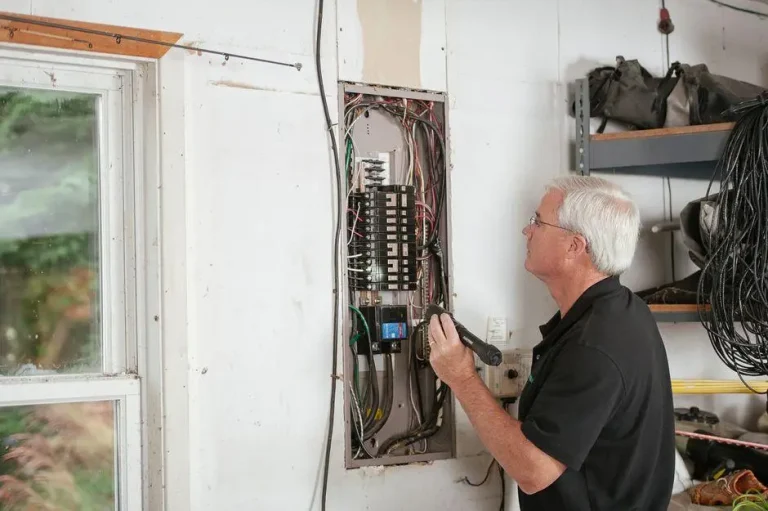
Some projects need a professional, and you should never even think of messing with them. If it involves electricity, structural work, or plumbing, don’t even try to do it.
Call a professional because the risk of going the DIY route is too high.
Conclusion
You know what I realized?
Every single DIY fan has at least one story of a project that was super simple when it started out, but turned into a whole big thing later. Like the paint that ended up on every single surface instead of the wall. Moments like this one stick with you because they’re a mix of panic, learning, laughter, and even pride.
That’s the point of doing things yourself. It’s when things get potentially painful that’s the issue, which was the whole point of this article.
Hopefully, it came across, and you’ll think twice before attempting to do something risky.