The Gamification of Everything

There used to be a time when buying toothpaste was just buying toothpaste. You’d nip into a shop, grab a tube, and that was that. These days, you’re asked if you want to scan your loyalty app, collect reward points, maybe spin a virtual wheel for a bonus voucher, or earn a badge for being a “Gold-Level Oral Hygiene Shopper” (not a real title, but give it a week).
Temu has turned shopping into something that feels more like a claw machine in a seaside arcade than a retail platform. You don’t just browse and buy. You open treasure boxes, invite your mates for bonuses, check countdown timers, and complete little tasks to unlock mystery items. It’s shopping, sure, but rebranded as a mini-game. You’re not just getting socks. You’re collecting tokens, unlocking perks, and crucially, being kept hooked.
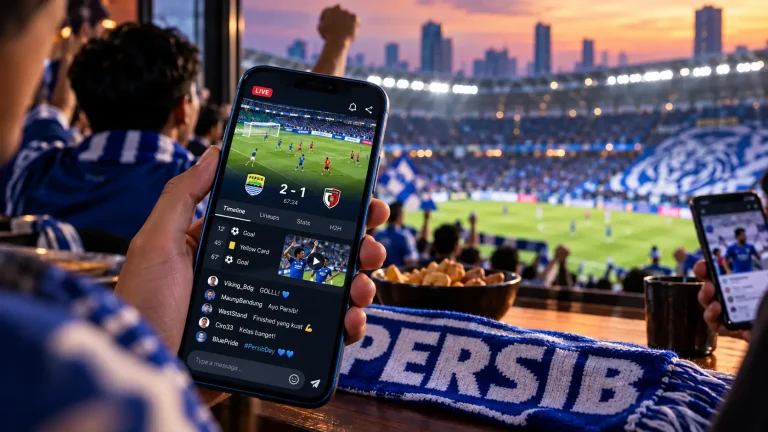
This isn’t unique to Temu. Nearly every brand is now offering some kind of gamified experience. Coffee chains hand out digital stamps. Fitness apps give you confetti when you hit your step goal. Even banking apps are rewarding you for saving as if it’s a Candy Crush achievement. It’s like someone cracked open the ADHD survival guide and said: “Right then, let’s make everything work like a dopamine slot machine.”
Are We Actually Tired, or Just Bored?
Gamification isn’t new, but it’s never been quite this loud. It’s crept into every corner of daily life and now lives in your phone, your inbox, your wallet, and probably your fridge if you’ve downloaded the right smart appliance app. The question is: why now? One theory is simple exhaustion. Everything costs more, takes longer, and feels like a bit of a slog. When life gets draining, the reward centres of our brains start craving something, anything, to keep going. A notification ping. A badge. A streak counter. Something that says, “Well done, you’ve achieved a small thing today.”
It’s not necessarily a bad thing. The world can feel like a never-ending to-do list, and little digital nudges can help people feel seen. But when every task needs a prize just to be tolerable, you do have to ask if we’re slowly losing the ability to engage with life without incentives. Gamification works because it gives structure and reward in a way that feels achievable. It’s why even mundane things like watering plants or logging meals start to feel like quests when you add in colourful progress bars. You’re not just doing a chore. You’re building a streak. Leveling up. Ticking boxes. And that’s not a failure of character; it’s a function of living in a world that demands too much without giving much back.
When Entertainment Becomes a Feedback Loop
We’re seeing it in entertainment too. Passive viewing is falling out of fashion. People want interaction, stakes, and agency. They want to click, swipe, vote, build, or win something; even if it’s virtual confetti.
It’s no surprise that casual games, simulation apps, and iGaming platforms are booming. Whether you’re matching fruit or making virtual bets, it’s all built on the same engine: input equals feedback. You make a move, the game responds, and your brain lights up like a Christmas tree. It’s low effort, high reward, and it works.
There’s a reason people who’d never step foot inside a betting shop find themselves playing a few rounds of online blackjack or spinning digital reels while waiting for dinner to cook. It’s not about the money. It’s about the feeling of doing something, however small, that might lead to something slightly more interesting. Like opening a mystery box or checking your phone to see if your loyalty stamp has magically filled itself overnight.
This isn’t a slippery slope argument. Most of us are perfectly capable of knowing when we’re playing for fun and when we’re chasing something else, and even if we’re less sure, we can check a sister site comparison website just to make sure we’re being treated fairly and we have all the information we need to make correct choices But it’s worth noticing how many of these gamified elements are built on the same principles that have long made gambling appealing. Random rewards. Variable outcomes. Bright lights. “Just one more go” mechanics.
Can We Still Find Joy Without a Scoreboard?
Here’s where things get a bit uncomfortable. If everything from shopping to brushing your teeth needs a digital prize or achievement attached, what happens to things that don’t offer that kind of feedback? Can we still enjoy activities that are slower, quieter, or less measurable?
Reading a book doesn’t ping. Talking to a friend doesn’t earn you a badge. Lying on the floor and staring at the ceiling doesn’t fill up a progress bar — although it probably should. And yet, these are the kinds of moments that build rest, reflection, and connection. They just don’t look productive on an app dashboard.
That’s the tricky bit. Once you start living through gamified systems, it’s easy to feel like nothing else counts. If your habit tracker doesn’t record it, did it even happen? If you forgot to log your steps, were they still worth taking? It can start to mess with your sense of satisfaction — and that’s when gamification shifts from helpful to hollow.
Playing the Game Without Letting It Play You
The truth is, gamification isn’t going anywhere. It’s too effective, too satisfying, and frankly, too good at getting us to do things we’d otherwise ignore. If it helps you stay hydrated, stick to your goals, or even just find a bit of light relief in a stressful world, there’s no harm in embracing it.
But like any game, it helps to remember the rules. Not every part of life needs to be scored, tracked, and rewarded. It’s okay to do things just because they feel good in the moment. It’s okay to rest without earning it. And it’s okay to choose something analog, boring, or badge-free once in a while, even if your brain screams for fireworks.
We’re all navigating a world that feels a bit like a game level set to “hard mode”. So if a few digital rewards make it easier to get through the day, so be it. Just don’t forget there’s life outside the screen too, and some of the best bits happen when no one’s keeping score.