Australian industries rely on dependable equipment and components to maintain productivity and competitiveness. The quality of what you source directly impacts operational efficiency, product quality, and your bottom line.
Finding reliable suppliers for industrial equipment and components requires careful consideration of multiple factors. This guide explores what Australian businesses need to know when sourcing essential items for their operations.
The Importance of Quality in Industrial Sourcing
Cutting corners on equipment and components inevitably leads to costly consequences down the line. Inferior products fail sooner, cause production delays, and can compromise safety standards.
Quality industrial supplies deliver consistent performance over extended periods, reducing downtime and replacement costs. The initial investment in superior products typically pays dividends through longer service life and fewer disruptions.
Australian businesses operating in competitive markets cannot afford the inefficiencies caused by substandard equipment. Reliable sourcing partners become strategic assets that support long-term operational success.
Understanding Your Industry Requirements
Every industry has unique equipment and component needs shaped by specific operational demands. Pharmaceutical manufacturers require different solutions than mining operations or food processing facilities.
Identifying your precise requirements before approaching suppliers ensures you receive appropriate recommendations. Vague specifications lead to mismatched products that fail to perform as needed.
Consider factors such as operating temperatures, pressure requirements, chemical exposure, and regulatory compliance. These parameters narrow your options to products genuinely suited for your applications.
Laboratory and Scientific Equipment
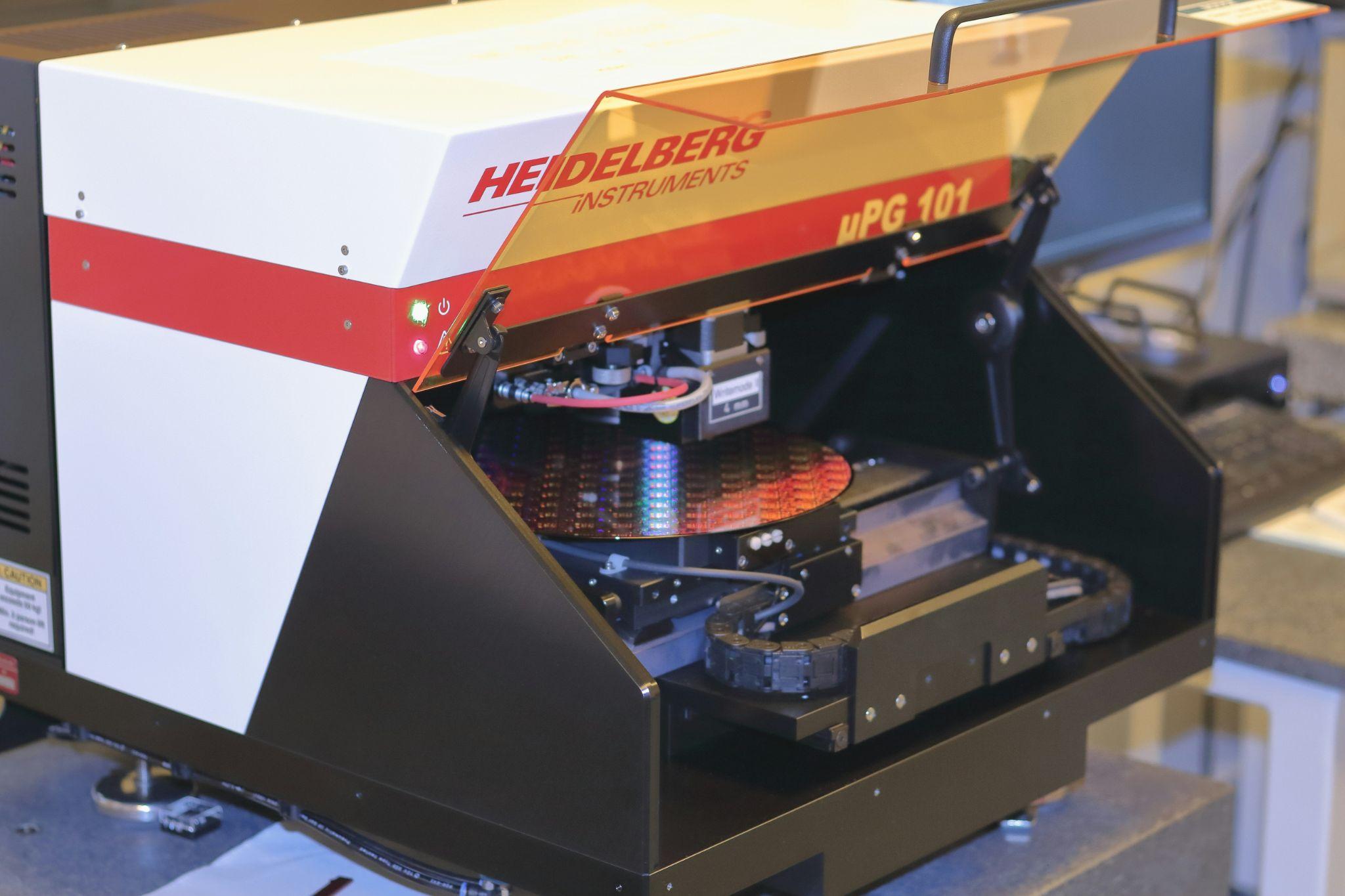
Australian research institutions and laboratories require precision equipment that delivers accurate, reproducible results. Scientific operations depend on instruments calibrated to exacting standards.
Temperature-controlled equipment plays a critical role across pharmaceutical, medical, and food research sectors. From sample storage to processing, maintaining precise conditions ensures experimental integrity.
A commercial freeze dryer represents a significant investment for laboratories working with sensitive biological materials or pharmaceutical compounds. These systems preserve molecular structure and bioactivity through lyophilisation, extending shelf life while maintaining sample quality.
When sourcing laboratory equipment, prioritise suppliers with proven expertise in scientific applications. Local manufacturers who understand Australian research environments can provide tailored solutions and responsive support.
Industrial Components and Consumables
Beyond major equipment, industrial operations consume countless components that keep machinery running smoothly. Gaskets, seals, bearings, and fasteners may seem minor, but they prove essential for reliable performance.
Component failure can halt entire production lines, making supplier reliability critically important. Stocking appropriate spares and establishing dependable supply chains prevents costly unplanned downtime.
Sealing components deserve particular attention, given their role in preventing leaks and maintaining system integrity. The right gasket material for each application ensures proper sealing under specific temperature, pressure, and chemical conditions.
Working with a trusted paper gasket supplier gives you access to materials suited for diverse sealing applications across automotive, manufacturing, and general industrial uses. Quality gasket materials compress properly, resist degradation, and maintain seals over extended service periods.
Evaluating Potential Suppliers
Supplier evaluation extends beyond comparing prices to assess overall capability and reliability. The cheapest option rarely delivers the best value when the total cost of ownership is considered.
Investigate supplier history, industry reputation, and customer testimonials before committing to partnerships. Long-established suppliers with positive track records offer greater confidence than unknown alternatives.
Technical expertise matters enormously when sourcing specialised equipment and components. Suppliers who understand your applications can recommend optimal solutions rather than simply filling orders.
The Value of Local Suppliers
Australian suppliers offer advantages that offshore alternatives cannot match. Shorter supply chains mean faster delivery times and reduced risk of shipping delays or damage.
Local suppliers understand Australian standards, regulations, and operating conditions intimately. This knowledge ensures products comply with relevant requirements and suit local environments.
Communication becomes simpler when working with suppliers in compatible time zones who speak your language. Questions receive prompt answers, and issues get resolved without frustrating delays.
Supporting Australian suppliers also contributes to the domestic economy and manufacturing sector. These partnerships strengthen local industry capabilities and preserve valuable expertise.
Quality Certifications and Standards
Reputable suppliers maintain quality certifications that demonstrate commitment to consistent standards. ISO certifications and industry-specific accreditations provide independent verification of supplier capabilities.
Request documentation of certifications and quality management systems from potential suppliers. Legitimate suppliers readily provide this information and welcome quality-focused customers.
Australian standards apply to many industrial products, and compliance is non-negotiable for certain applications. Verify that suppliers understand and meet relevant standards before placing orders.
Technical Support and After-Sales Service
Equipment purchases represent the beginning of supplier relationships, not the end. Ongoing technical support, maintenance services, and spare parts availability matter enormously.
Evaluate supplier service capabilities before purchasing complex equipment. Local service technicians who can respond quickly to issues minimise downtime when problems occur.
Training and documentation help your team operate equipment correctly and safely. Quality suppliers provide comprehensive resources that maximise the value of your investment.
Building Long-Term Supplier Relationships
Transactional purchasing approaches miss opportunities that strategic partnerships provide. Long-term relationships with key suppliers deliver benefits beyond simple cost savings.
Trusted suppliers prioritise loyal customers when allocating limited stock or scheduling deliveries. They also provide early information about new products, price changes, or potential supply disruptions.
Investing time in supplier relationships pays returns through improved service, better pricing, and collaborative problem-solving. Treat important suppliers as partners rather than interchangeable vendors.
Managing Supply Chain Risks
Recent global events highlighted vulnerabilities in extended supply chains relying on distant sources. Australian businesses learned painful lessons about the risks of single-source dependencies.
Diversifying supplier bases and maintaining safety stock of critical items provides insurance against disruptions. The cost of carrying additional inventory often proves worthwhile when supply problems occur.
Local sourcing options reduce exposure to international shipping delays, currency fluctuations, and geopolitical risks. Building domestic supply capabilities strengthens resilience against future disruptions.
Cost Considerations Beyond Purchase Price
Evaluating suppliers solely on purchase price ignores factors that significantly impact total costs. Delivery charges, minimum order quantities, and payment terms all affect the true cost of supply.
Product quality influences costs through service life, maintenance requirements, and failure rates. Cheaper products that fail frequently or require constant attention prove expensive over time.
Consider the cost of your team’s time when dealing with problematic suppliers. Reliable partners who get orders right the first time free your staff for more productive activities.
Industry-Specific Sourcing Considerations
Different industries face unique sourcing challenges shaped by regulatory requirements and operational demands. Pharmaceutical and food manufacturers must verify supplier compliance with strict hygiene and traceability standards.
Heavy industries require components rated for extreme conditions that consumer-grade products cannot withstand. Specifying industrial-grade materials prevents premature failures in demanding environments.
Regulated industries should verify that suppliers understand documentation and certification requirements. Non-compliant components can trigger costly recalls or regulatory actions.
Leveraging Technology in Supplier Management
Modern procurement platforms streamline supplier management and ordering processes. Digital tools provide visibility into spending patterns, delivery performance, and supplier comparisons.
Online catalogues and ordering systems simplify routine purchases and reduce administrative burden. However, complex or custom requirements still benefit from direct communication with supplier experts.
Data analytics help identify opportunities for consolidation, negotiation, or supplier changes. Informed decisions based on actual performance data improve sourcing outcomes over time.
Conclusion
Sourcing quality industrial equipment and components in Australia requires balancing multiple considerations beyond simple price comparisons. Supplier expertise, product quality, service capabilities, and relationship potential all influence long-term value.
Australian businesses benefit from the growing range of local suppliers offering world-class products and services. These partnerships support operational excellence while strengthening domestic industrial capabilities.
Investing time in supplier evaluation and relationship building pays dividends through reliable supply, quality products, and responsive service. Your sourcing decisions today shape your operational capabilities for years to come.
The right suppliers become extensions of your team, contributing expertise and reliability that enhance your competitive position. Choose partners who share your commitment to quality and understand your industry’s unique demands.
Mark Scott, a professional with a degree in Construction Management from Texas A&M University, has been a key part of our home renovation and improvement section since 2020. With over 15 years of experience in construction, he specializes in transforming homes into modern, functional spaces. His previous experience as a contractor gives him practical insights into home improvement projects. He is also a DIY enthusiast, sharing his passion through community workshops.