
Key Takeaways
- Seasonal fluctuations have a significant impact on heating system efficiency and overall energy costs.
- Proactive maintenance and effective insulation reduce efficiency losses, regardless of season.
- Adapting to seasonal changes is crucial for optimizing energy consumption and reducing bills.
Homeowners face a unique set of challenges as the seasons change, particularly when it comes to managing home heating. Understanding how seasonal shifts affect your home’s heating efficiency is essential for staying warm, comfortable, and cost-effective when temperatures outside fluctuate.
Whether you’re preparing for a harsh winter or experiencing unpredictable weather, recognizing how these changes affect your heating system can help you avoid unexpected expenses and keep your energy usage in check. For anyone experiencing issues like uneven heating or rising energy bills, seeking professional heating repair in Belmar, NJ, could prevent bigger problems as the cold sets in.
As temperatures dip, your heating system must work harder to maintain your desired indoor temperature, which can reveal or exacerbate existing inefficiencies. During shoulder seasons like autumn and spring, fluctuating outdoor temperatures and weather conditions can further challenge your HVAC system’s ability to perform efficiently. The shifting balance between energy demands and heating system output puts both comfort and operating costs at the center of attention for every homeowner.
Temperature Variations and Heating Efficiency
Temperature swings have a direct influence on how hard your heating system must work. When winter brings extreme cold, your heater or heat pump must exert more energy to achieve comfortable indoor conditions. For instance, while heat pumps are highly energy efficient in moderate climates, their efficiency decreases significantly as outdoor temperatures approach freezing.
In such situations, some homes rely on auxiliary or backup heating sources, such as electric resistance elements or gas furnaces, to bridge the gap, which can substantially increase overall energy consumption. According to the U.S. Department of Energy, even minor increases in heating workload can result in a noticeable increase in monthly energy consumption. Discover how various heating systems perform under different temperature conditions.
Impact of Seasonal Changes on HVAC Systems
Autumn and spring introduce their own challenges. During the fall, outdoor HVAC components can become obstructed by leaves, pollen, and debris, which impede airflow and reduce efficiency. Inconsistent weather during these transitional seasons can also lead to frequent system starts and stops, resulting in increased wear and tear on components such as compressors, fans, and heat exchangers. Such strain can result in more frequent breakdowns or a reduced equipment lifespan if preventive maintenance is neglected. Clearing debris, maintaining adequate airflow, and scheduling regular inspections are key to protecting your investment.
Insulation and Its Role in Efficiency
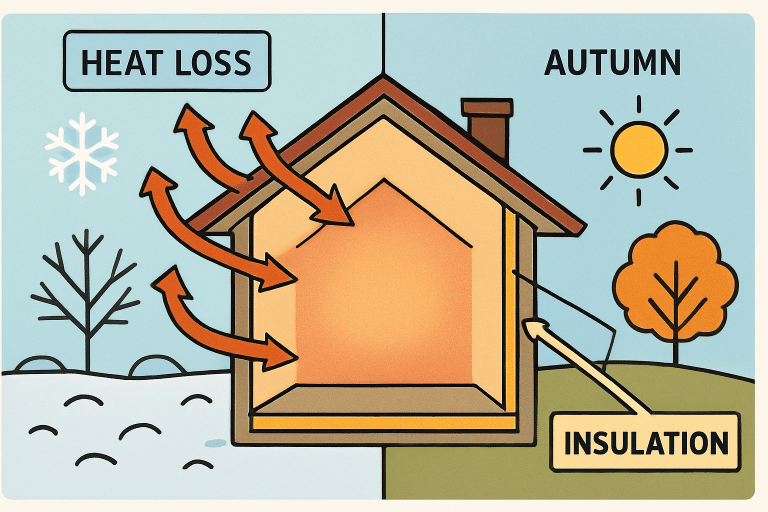
Your home’s insulation serves as the frontline defense against seasonal energy loss. Poor or aging insulation can allow much of your heated air to escape, meaning your HVAC system must run longer and use more energy to compensate.
Upgrading insulation in key areas—such as attics, exterior walls, and basements—can provide substantial improvements in overall comfort and energy efficiency. Not only does this help retain warmth during winter, but it also keeps your home cooler during summer, further reducing load on HVAC systems.
Energy Consumption and Cost Implications
As the weather grows colder, homeowners often see their energy bills rise. In its annual winter fuels outlook, the U.S. Energy Information Administration highlights that most households can expect stable or moderately increased heating costs year over year, even if temperatures drop, due in part to shifts in energy market prices and consumption habits.
Still, actual costs can swing widely based on both outside temperatures and the efficiency of your home heating setup. Proactive measures, such as smart thermostats, system upgrades, and timely repairs, can go a long way in insulating your budget from these seasonal swings.
Maintenance Tips for Seasonal Transitions
Routine is essential for keeping your heating system running efficiently throughout the year. Consider these best practices as the seasons shift:
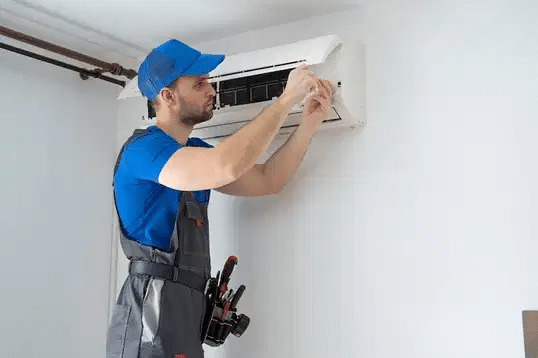
- Professional Inspections: Schedule a heating system check-up each fall to spot potential problems before they affect performance.
- Filter Replacement: Replace dirty filters every 1–3 months to prevent restricted airflow and reduced efficiency.
- Seal Leaks: Look for drafty windows and doors; weatherstripping and caulking can help keep the heat inside where it belongs.
- Smart Thermostats: Program your thermostat to automatically adjust temperatures based on your family’s routine, preventing wasteful heating.
Adapting to Climate Variability
The climate is becoming less predictable every year, making it vital to prepare for increasingly erratic weather. Upgrading to energy-efficient HVAC equipment, reinforcing insulation, and monitoring local weather forecasts can better position homeowners for sudden temperature changes. Utilizing strategies such as pre-heating in anticipation of cold snaps or investing in dual-fuel systems provides greater flexibility and efficiency.
Conclusion
Seasonal shifts have a significant impact on home heating efficiency, affecting comfort, energy use, and costs. By staying proactive with maintenance, strengthening insulation, and upgrading to newer technologies, homeowners can ensure their homes remain warm and energy efficient, regardless of what the weather brings. Anticipating seasonal changes and adapting accordingly can lead to substantial energy savings and a significantly more comfortable home.