A Clear, Uncomplicated Guide to Pests

Pests arrive without warning. They slip in like bad habits. One day the house feels normal. The next, something skitters across the baseboard and you realize you have company you did not invite.
Most people treat pests like a personal failure. As if a mouse in the kitchen means your entire life is unraveling. It is not that deep. Pests show up because they can. They want shelter, food, and warmth. Your home simply checks the boxes.
This is a guide to understanding what is actually happening when pests move in. No jargon. No panic. Just the truth and a plan.
Why Pests Love Your Home More Than You Do
Pests are practical. They do not care about your decor. They are not impressed by your seasonal wreath. They come for the basics.
Warmth. Water. Food. That is it.
They go where the conditions make survival easiest. Your home is basically a five-star resort for anything small enough to squeeze through a gap the width of a coin. The problem is not that you are messy. The problem is that pests have evolved to win.
Ants travel in armies with one goal: find sugar and bring it back to their colony. Mice can flatten themselves into strange shapes and crawl under doors. Spiders drift in on the breeze. Silverfish slip through cracks you did not know existed. Cockroaches survive on crumbs that fell behind your stove five years ago.
You are fighting a species that trains full time. You clean part time. The math explains itself.
The First Signs You Are Not Alone
People ignore early signs because they hope they imagined them. They did not.
If you see one ant, there are more. Ants operate like a small corporation. That one ant is the unpaid intern. If he returns with a positive report, the whole office shows up for lunch.
If you see one cockroach, there are absolutely more. Cockroaches avoid the spotlight. The brave one you saw was reckless or starving.
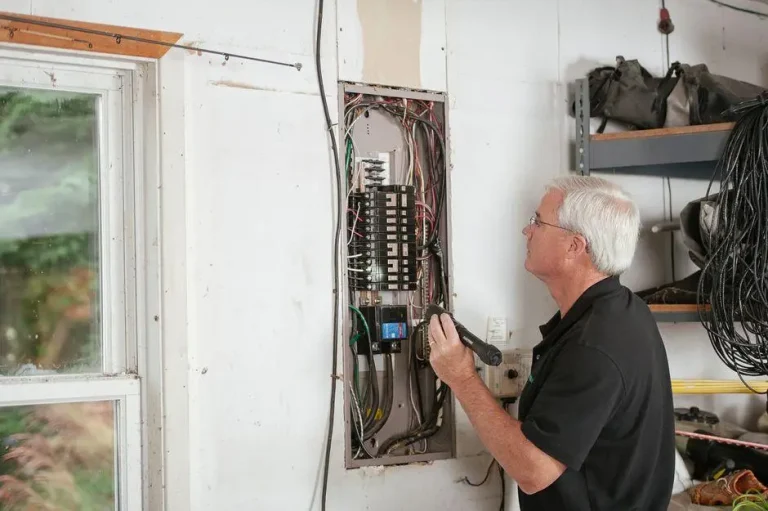
Mice leave droppings that look like punctuation marks. They also leave tiny chew marks on anything they mistake for food, including your electrical wires. If the lights flicker, that is not your imagination.
Spiders reveal themselves through webs. Silverfish reveal themselves by moving fast enough to ruin your night.
Pests rarely work alone. They do not respect boundaries. They set up camp and expand.
The Problem Livelihood: How Pests Disrupt Your Space
You bought a home to feel safe. Pests do not care how you feel.
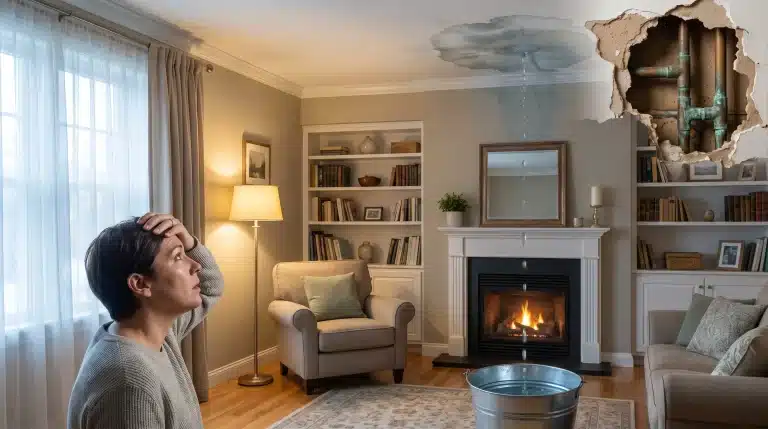
They contaminate kitchen surfaces. They chew insulation. They leave droppings in corners you miss until you move a piece of furniture and suddenly rethink your entire floor plan.
They damage clothing, books, cardboard boxes, and baseboards. They make noises in the walls at two in the morning. They remind you that you are not the only living thing paying rent in this place.
Pests also make you second guess every rustle, shadow, and creak. It is not paranoia. It is observation.
Why DIY Pest Fixes Rarely Hold
You can try the home remedies. They may work for a day or two. They may give you the illusion of control. Peppermint oil. Vinegar sprays. Store-bought traps.
These do not address the real issue. The colony. The nest. The entry points.
Ants do not care about your essential oils. Mice ignore ultrasonic sound machines like they are background music. Cockroaches laugh in the face of most sprays. The truth is simple. DIY solutions treat symptoms, not causes.
Most online advice for pests reads like someone scrambled advice from a 1992 message board and hoped for the best. You deserve better information than that.
The Psychology Of Living With Pests
People do not talk about this enough.
Living with pests messes with your head. You start tiptoeing in your own kitchen. You turn on lights in every room. You sleep lighter. You flinch at the sound of your own grocery bags.
There is something unsettling about knowing a mouse has better access to your pantry than some of your relatives.
Pests make you feel unprepared. They make you feel watched. They make your home feel less like yours and more like a shared space you did not sign up to share.
This is normal. It is not dramatic. A pest problem becomes a mental problem fast.
Getting Ahead of the Infestation Curve
Pests multiply on timelines humans cannot match. Ants replace their ranks fast. Mice reproduce often. Cockroaches treat reproduction like a hobby.
If you wait until the problem looks big, it is already bigger.
Early action is your only advantage. Seal food in airtight containers. Fix dripping taps. Patch cracks around windows and the foundation. Sweep often. Vacuum crumbs under appliances. Store pet food in bins. Inspect cardboard boxes before bringing them inside.
These measures do not eliminate pests. They discourage them. You want your home to feel inconvenient to them. Not exciting.
How Professionals Think About Pests
Pest professionals approach infestations with logic, not fear.
They study how pests behave. How they travel. How they hide. They do not take your spider encounter personally. They treat it like a pattern.
The goal is not to kill everything on sight. The goal is to disrupt the entire ecosystem pests rely on. This means identifying entry points. Blocking routes. Removing conditions that help pests thrive. It is strategy, not chaos.
If the situation reaches a point where you are losing sleep, calling in a pest control company is a practical decision. Professionals solve problems faster than worry does.
What Effective Pest Prevention Actually Looks Like
Prevention is not glamorous. It is boring. It is also the only thing that works reliably.
Here is the ladder of prevention, in its most stripped down form:
- Remove food sources.
- Remove water sources.
- Remove hiding spots.
- Close entry points.
- Maintain the routine.
That is it. No scientific experiments. No trendy hacks.
Food sources include crumbs, spills, unsealed bags, open fruit bowls, and pet dishes left out overnight. Water sources include leaks, condensation, and damp basements. Hiding spots include cluttered closets, cardboard storage, and warm gaps behind appliances.
If you remove the reasons pests choose your home, they leave. They are not complicated. They are opportunistic.
When The Problem Is Bigger Than It Looks
Some infestations run deeper than you expect.
Ant colonies can stretch under floorboards. Mice can travel between homes using shared walls in townhouses and apartments. Cockroaches can survive in drains. Spiders can settle in attics and basements and slowly expand outward.
The real infestation is often hidden. What you see is the preview, not the feature film.
If pests keep returning after you have cleaned, sealed, and monitored your home, you are dealing with something structured. Something established. Something organized. That means you need more than surface-level cleanups.
The Emotional Relief Of Regaining Your Space
There is a moment after a pest issue is actually solved that no one talks about.
The house feels lighter. Quieter. Less suspicious.
You walk into the kitchen without checking the corners. You stop hearing phantom scratching. You stop scanning your floor like a detective. The space feels like yours again.
People underestimate how much mental load pests add to daily life. The relief of a solved problem is almost physical. You breathe differently.
That is what pest control is really about. Reclaiming your home. Reclaiming your calm.
Teaching Kids About Pests Without Scaring Them
Children notice everything. Even when you think they do not.
If they see you jump at a spider or panic at a mouse, they pick up on it. You do not need to give them the full documentary treatment. Just explain the basics.
Pests live outside. Sometimes they wander in. We clean up so they have no reason to stay. And if the problem gets bigger, helpers come to fix it.
Straightforward. Honest. Enough to make them feel informed without turning bedtime into a paranoid stakeout.
Kids respond well to calm information. Adults do too.
When Clean Homes Still Get Pests
There is a myth that pests only invade dirty homes. That myth is false.
Pests enter clean homes all the time. They do not judge hygiene. They follow instinct. If your neighbor has an infestation, it can spread. If your home backs onto green space, you have a natural pest highway nearby. If the weather changes suddenly, pests migrate indoors.
You are not the cause. You are the unlucky recipient.
Once you understand this, your frustration becomes strategy instead of self-blame.
Seasonal Pest Patterns You Should Know
Each season comes with its own problems.
Spring wakes up ants. The ground warms. Colonies expand. They head for your kitchen like it is their annual retreat.
Summer brings spiders and fruit flies. Heat boosts activity. Open windows become entry points.
Fall pushes mice indoors. Temperatures drop. They search for warmth and stability. Your home looks perfect.
Winter keeps pests quiet but not gone. Some hide inside your walls and wait.
Knowing the cycle helps you prepare. It removes the element of surprise. Pests follow predictable patterns. You can respond with predictable prevention.
The Simple Truth About Winning The Pest Battle
Pests are persistent. But humans have one advantage. Awareness.
Once you understand why pests enter, how they survive, and what they respond to, you stop reacting emotionally. You start approaching the problem like a puzzle instead of a crisis.
You notice gaps. You seal them. You see crumbs. You vacuum them. You observe activity. You track it.
Winning against pests is not about force. It is about consistency.
Your home becomes less attractive. Pests relocate. You rest easier.
Your Home Deserves To Feel Like Yours Again
Pests do not care about your schedule. They do not care that you have work in the morning. They do not care that you scrubbed your kitchen twice last night because you thought you saw something.
But you care. You want a space that feels predictable. Quiet. Yours.
Taking pests seriously is not dramatic. It is responsible. It is grounding. It keeps your home steady and your mind steady with it.
Handle the problem early. Ask for help when you need it. Keep the environment unwelcoming to anything that crawls, slips, or scurries.
Your home should feel like a home. Not a wildlife documentary.